Keeping Your CreateSpace Images at 300dpi

An author emailed me recently and said that he couldn’t understand why CreateSpace was telling him that the images in his book did not meet their requirements. He had made sure that they were all 300dpi and they were all large resolution files. He’d made sure to insert them into his Word manuscript rather than using copy and paste, so as far as he was concerned all should have been well when he loaded his PDF file. He hit the ignore button and went ahead with publishing his book as it was. When he received his proofs though, he realised that something had gone wrong with image quality after all.

One thing that a lot of new to paper publishing scribblers don’t know is that Microsoft Word will always try to automatically compress any images in your document to 220ppi. Often we’ll just assume that CreateSpace is mistaken as we are quite confident that our carefully edited and sized images are just hunky dory, and then we click on ignore and publish away. Unfortunately CreateSpace is highly unlikely to be mistaken with this, so we are actually publishing low definition images after all. The thing to do is to get rid of the automated compression in your manuscript before saving as a PDF file, and double check again before doing that too. Here’s what to do.

(Click on images to enlarge)

Insert your image into your document.

Insert Picture 1

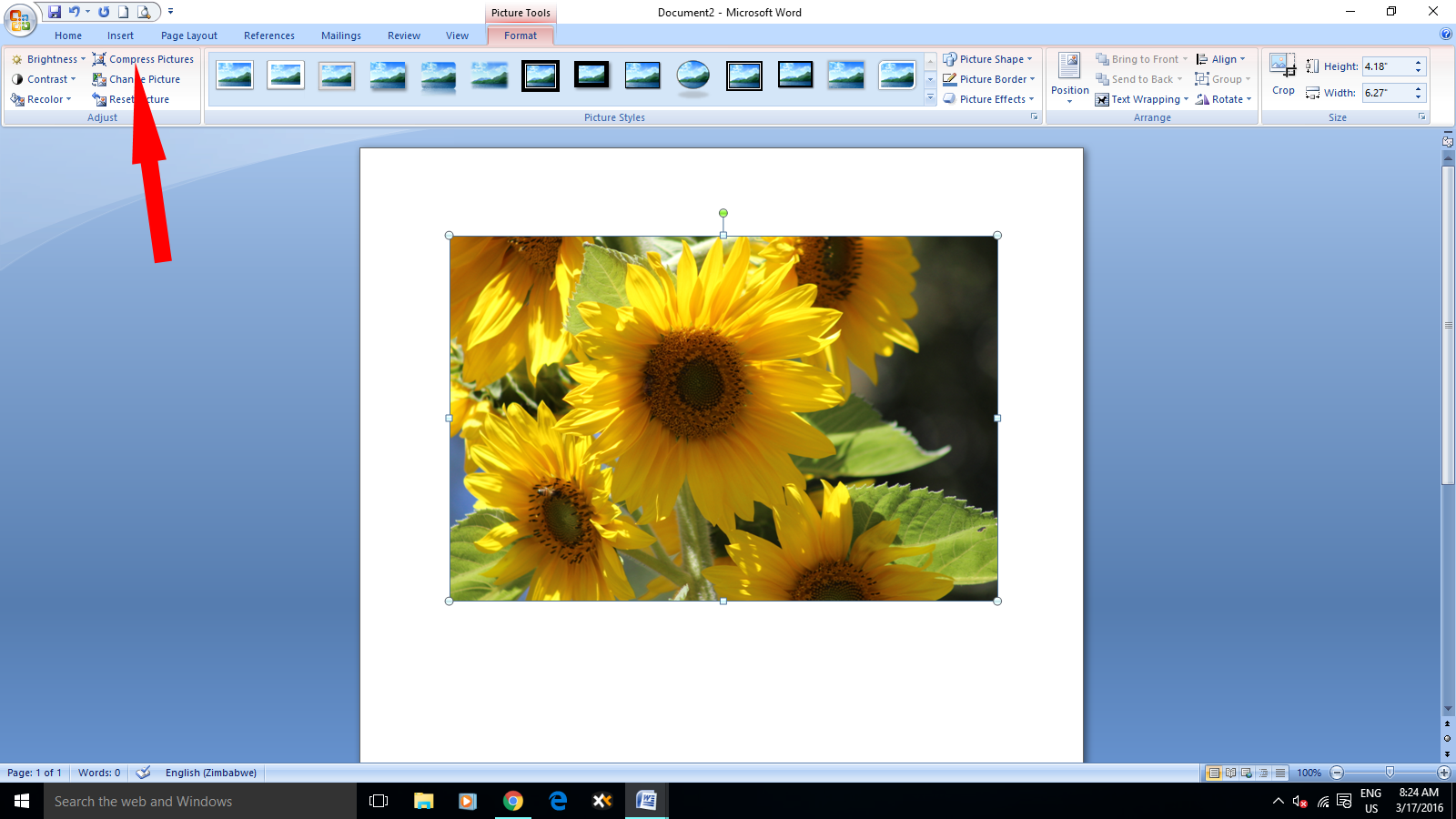
When your Picture Tools menu appears, click on Compress Pictures.

Compress Picture 2

Select Options.

Options 3

Uncheck the Automatically perform basic compression on save box and click OK.

Automatically Uncheck 4

Once you’ve made sure that this box is unchecked for all the images in your manuscript, it’s time to save the whole thing, whereupon Word could once again try and compress your pictures. To be sure that it won’t we’ll do a bit more unchecking of boxes.

Rather than just simply saving the document, use the Save As feature from the Microsoft icon in the top left hand corner.

Save As 5

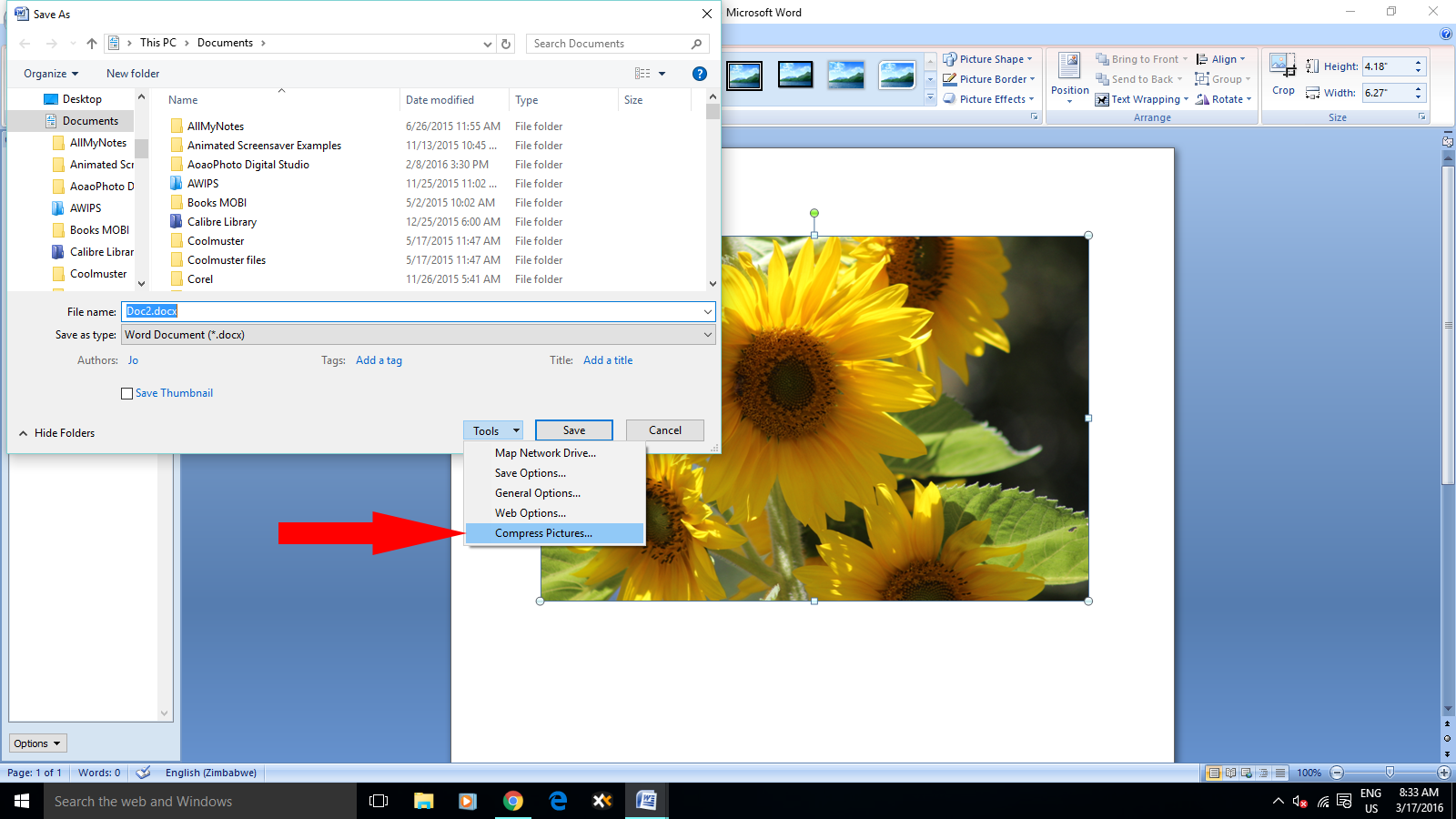
Click on Tools below, and select Compress Pictures.

Save As Tools 6

Save As Tools Compress Pictures 6

Here once again, uncheck the Automatically perform basic compression box on save and click OK before saving.

Save As Options Uncheck 8

Once you’ve saved your manuscript this way, you can then save it as a PDF file and it should load up to CreateSpace with no image resolution  problems.

Writing Who You Know

A popular piece of writing advice is to write about what you know. Taken literally, if we only wrote about exactly what we personally have knowledge of or experience with, we probably wouldn’t be able to write the stories that we do. The same applies to who you know. Most of us aren’t on speaking terms with murderers, ghosts, aliens, mini purple spotted giraffes, or any of the other people and creatures that find their ways into our worlds. This is good really, because if some of them really were in our lives we probably wouldn’t be very comfortable, and could possibly be institutionalized for sharing the fact that certain others of them were.  Hey there purple spotted guy.

We writers have to get to know our characters intimately if we want them to come alive in our stories, because readers can tell when we don’t. Off the top of my head I couldn’t possibly think of why any person would walk down a street hurling loud curses and foul language at innocent passersby, and nor could I imagine how it would feel to be unable to stop doing that. Sounds really farfetched to me to begin with. A little bit of searching would reveal Tourette Syndrome, and with a bit more digging I could get a very fair idea of the reality of it happening every day.  More reading would show me how it must feel.  So then I’d know how my guy would feel as he jerked and twitched down the road, and swore at shocked and laughing strangers on his way to buy his bread and milk. He would feel awful, and helpless, and angry. I couldn’t possibly write him without reading about the lives of the people who actually have to deal with that on a daily basis. Some things you just can’t make up.

Researching our character’s inner selves is just as important as researching our locations and general facts for our fiction, and even though it can sometimes be uncomfortable, it has to be done if you want your people to be relatable to. My research into true good and evil for my science-fiction series often gave me the serious heebie-jeebies, but it was worth it. My forays into the minds of the abused and the dangerously mentally disturbed have been equally uncomfortable, but I’ve had enough readers enquire if I was writing non-fiction as fiction to make me happy that I took the trouble.

With most mainstream fiction we can easily plot out our characters from those in our own lives, or those that we’ve come across at some time or another, but for those shady guys – the villains or the damaged, or those so cold that we couldn’t just imagine their thought processes, for those guys we sometimes have to immerse ourselves in their dark and strange worlds for a while. Good old Google. The mini purple spotted giraffes? Well – I think pretty much anything goes in their case.

robot-1214536_640

Image Courtesy Pixabay

It’s Alright to Have a Trendy Book Cover

Often when a book hits NYT bestseller lists you’re soon going to see a spate of similarly designed covers. Similar colours, typography, and images that are intended to catch your eye because if you’ve read or seen the bestseller, you’re going to pause because on some level you recognise the new cover.

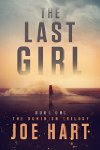
ggLast girl

Then hopefully you’ll take the time to look at it, like it on its own merit, and buy it. This could work if the two books contain similar genres, and the cover isn’t just an attention grab for a story wildly different. This is quite acceptable to be honest, and a good way to get a nicely composed cover if you’ve never made one before, but the two above look like they’re part of a series to me. I just personally don’t think that it’s fair on your story. Each book deserves its own unique cover which should reflect something about its own tale.

Trends in cover design are another thing altogether. It’s a good idea for you spend some time checking bestseller lists before you decide on your new book’s cover design. Just as trends happen with the subject matter of books, it happens also with cover design, and this can definitely give you an edge getting your book noticed without having to obviously imitate another. Lately I’ve noticed covers that are less busy. There are quite a lot of white backgrounds happening for self-help book covers now, which looks great as long as you remember to frame the eBook version so it doesn’t entirely disappear on its online landing pages. Top designers are making use of actual handwriting for typography, interesting textures and objects, and simplicity seems to be the order of the day.

The market is flooded with books with photographs of people on them right now, and it might be a good idea to consider ways for your cover to stand out from the crowd other than using that stock photo that brings to mind the cover of another hugely successful book. Rather than purposefully making your cover mimic another, how about making it pop right out because of its simple but still trendy individuality instead? A lot of publishers seem to use the reasoning that if it ain’t broke then don’t fix it, and if one cover design works for one book, it should do the same for others.

Once you have the general idea of what you’d like to see on your cover design, have a wander around the Goodreads and Amazon bestseller lists in your genre, and get some hints on the styles that are popular now. You don’t have to have everything in your story depicted on your cover. Think outside the box. Symbolism, silhouettes, huge typography, possibly handwritten on a clean background, or on a simple burst of colour like Liz Gilbert’s new book.

EG

Not only stylish and eye-catching, but also quite easy for Indies to make themselves if they can’t afford a cover designer yet. So, while picking up trendy tips for what kinds of covers are catching reader’s eyes right now, make sure to put your book’s own individual character on your own, rather than actually copying what’s trending, and have a whole lot of fun creating it.

Should You Market Your Books?

Many authors are reluctant to actively be seen to market their books. Some go so far as to never market their books, but work very hard nevertheless on their blogs and other social networks. I haven’t tried very hard to sell my books, but I usually do mention them and occasionally run promotions, which always results in sales, and keeps them ticking over in a small but comforting way. I haven’t done anything at all for the past two months, and for the first time in years my sales page on Amazon for this month is a totally flat line. Which just goes to show. If you don’t market your books at all, they are unlikely to be bought at all.

There are different kinds of selling in the business of sales. When you are selling a product for a company, and meeting up with potential clients who are in the market for your product face to face, you have a good chance of closing the deal if you’re good at what you do. It’s a bit harder to attract passing trade with books though, so internet face to face is a real thing these days. Just like any other job, you have good and bad sales people. One thing seems to be universal though, and that’s that not many people are going to buy anything from a seemingly desperate bully unless they’re terrified or goaded into it – if that’s the way a sale is got, don’t expect returning custom. As writers, that’s the only one other thing that we need to know apart from the fact that, yes, we do indeed need to market our books. Selling isn’t a dirty word if you’re not jumping out at people from doorways and holding them down with your book in their face. It’s a part of the way we as a society operates, and the main way that buyers find things to purchase that they want or need. We just need to go about it in a polite, professional, and nice way.

People follow you on your various social networks for various reasons – hopefully because they like what you have to share. They’re all online at different times, so unless they make a point of checking, they’re unlikely to see your one weekly tweet about your book. If you tweet about the same book thirty times every day, they’re very likely indeed to see several of those. It’s true that familiarity can sometimes breed contempt, and having your feed so assaulted on a daily basis is going to have you clicking that Unfollow button smartly.  Try and hit a happy medium, but don’t be afraid to share your book with your followers every day. Not necessarily every network every day, but definitely at least one, and try to make them different each day.

Use small excerpts of your book, and images that relate to the story. Run promotions. If you have a book that you can offer for free while discounting another at the same time, definitely do that – this works wonders for simultaneous sales of your other published books. If you only have one published so far, run a Goodreads giveaway, or a blog or Facebook party where you can offer other swag and fun stuff. Make use of advertising. Not all advertisers cost as much as Bookbub. Some will promote your book for as little as ten dollars.

Plan your book’s journey in advance. Write out your plan of action for the next three months. How often will you tweet and share on your Facebook and G+ pages? Collect your excerpts and pictures by spending a couple of hours getting them together, so you don’t have to do them every day. Once you have them together in a folder on your computer you can rotate them on a monthly basis.

Make it fun, and know that you’re not being spammy or conning people out of their cash when they buy your book. You wrote the best book that you can, and there are people out there who would be very glad to buy it and read it, and very possibly love it. They can’t if they don’t know it exists though, so be proud, if not overly loud, and sell those books that you put all your love and years into creating. Market away.

internet-42583_1280

Write Like You

I remember writing my first book, how I’d agonise over every sentence, desperately not wanting to commit some awful grammar faux pas.  I’d haul all my books off my bookshelves and examine them minutely for all sorts of perceived faults in my writing – like correct sentence structure and trying to figure out how my writing heroes managed to make me hear and see their characters so intensely, rather than just read words on pages.  This resulted in a horribly over-edited book, with bits constantly being taken out and replaced or moved around.  Hello grammar gremlin hell of the future.  They still pop up today.

Eventually I realised that no matter how famous the writers, none of them followed any particular pattern.  Some of them conveyed conversations using he said or she said.  Some of them used no attributives at all for dialogue, but you still managed to know who was saying what.  Some of the greatest storytellers use grammar that would probably get them D minuses in school, but still manage to suck you blissfully into the worlds that they’ve created.  All it is is their ability to let their own talented souls pour from their fingertips without any concern for anything much other than the story in their heads.  If it flows it flows.  Sometimes it’s perfect to bend the rules a little.

I think it’s important to trust your own writing style to develop.  All the books we’ve read or are reading now will probably have some small influence on how we knit the words together in our stories, but no reading, or learning, or trying to emulate those awesome scribblers gone before us, can change the particular voice of every born storyteller.  All writers are unique, so don’t worry too much if what you write doesn’t conform to what you think others think it should.  Learn correct grammar usage, and how to spell, but once you have fair knowledge of the nuts and bolts of the process, let your own personal talent dictate how the story flows rather than trying to twist it into something that it doesn’t want to be.  Write it out just the way you see it, and maybe that’s just the way it should be, and the expected indignant reader rage could very well turn out to be reader love.

paper-1141308_640

When Trolls Wear Princess Dresses by @JoRobinson176

We’re all allowed to be as mean as we want to trolls when they rear their ugly heads. It’s probably not a good idea though, and reporting and blocking the swine can be just as satisfying as having a nice little square of bubble-wrap to play with, if ignoring them is too much to ask. This is all very well, and nicely cut and dried. There is another breed around the internet too though, who somehow manage to be trolls “under the radar”. They like to show people up in “nice” ways, while at the same time appearing to be nice themselves – if you get my drift. I don’t buy this crap though. Unless someone openly attacks you or yours first, why would you be mean simply because you disagree with them? I’m not talking about the hilariously offensively filthy lurkers in the comments sections of some newsletters around and about, but often bloggers with their own avid followers who think that they’re just the coolest thing since ice-cream. They’re subtle, and while coming across as helpful and benign, they often inject little bits of venom where they can – sometimes disguised as “humour”. Well, as far as I’m concerned mean is mean, no matter how much honey you coat it with. I prefer the straight in your face evil trolls to these guys, who probably don’t even realise just how horrible their actions are, because they’re too busy basking in the joy of being “right”. Often it’s pretty obvious that the reasons for these behaviours are rooted in envy, which doesn’t often help heal the feelings of gentle souls so insidiously attacked, but it’s still pure old green eyes at work.

Man Sucking Lemon

Image: Ryan McGuire

I’ve only been properly knocked for a loop once, where the attacker successfully masked the attack by posing as a little injured puppy, shortly after I joined Facebook years ago. Good luck trying that sort of thing with me now though. I reckon that’s probably the reason why I don’t often go there, and when I do, I still tread very lightly. I’m a very happy bunny on all my other sites though, and so far I’ve generally managed to ignore the couple of tiny trolls that have attempted to get up my nostril. I’m unlikely to swat them with any particular force unless I really lose my temper, which is quite hard to get me to do. I find it much more satisfying to incinerate them legitimately. Occasionally I’ll see them getting up to their nastiness elsewhere, and I’ll shake my head and move on, unless of course they happen to injure a friend of mine. This can result in the awakening of that scary one thing of mine that is a hundred percent Irish – the temper. Luckily my friends are genuinely nice people, and able to rise above such pettiness. It helps to understand what causes this behaviour when you feel an uncalled for shot across your bow. It’s just one of those poor souls who truly believe that insulting someone else is the road to their own coolness, and get to put on their cool happy faces when their followers like them up when they try and make someone better than them look small. Their cool happy face.  Like so.

Pulling Face
Image: Ryan McGuire

There isn’t much you can do about these things apart from moving right along. Definitely try and do that if you can. Never break your stride for too long because of them, and brush the painful nip of their caustic “wit” away just as quickly as you can. People who get up to these things aren’t worth any of your time. There’s something you have, or are, that will always instil in some strangers along the path of your life the desire to try and bring you down. Don’t ever let them. Ignore the mean-spirited sods and treasure the wonderful friends that you do have. If what you share with the world is genuine, and coming from a good place inside your heart or mind, you’re on the right track. Make sure that those who you take advice from genuinely have your best interests at heart, even if they make a tiny oops along the way – we all do. Beware of those who only want to “help” you to make themselves look good, because often the tools that they give you to use are wrong, and could get you hurt.

Man using banana as a gun
Image: Ryan McGuire

There will always be some little ball of envious rage lurking somewhere, outwardly wearing robes of light and a halo, just waiting to pounce on someone who they feel needs “bringing down a peg or two”. The bigger you get in your chosen space, the bigger the apparent benefit to showing you up will be to these people. Well. Pfftt. Never mind them. You just carry on being you, and move past and say good luck to the hindmost trolls, with their clever little humble-brag pokes.

Man in thong on bicycle

Image Credit: Pixabay


Originally appeared on Jo Robinson’s Blog.


Jo Robinson

Jo Robinson Author“Jo Robinson is the resident Indie Author Guru of LWI. Visit her Amazon Author Page for numerous books she’s put out into the world through her  own sweat and tears. (And we hope not much blood involved.)  Click HERE for he blog, and HERE to follow her on TWITTER.”~Ronovan Hester


Enter your email address to subscribe to this blog and receive notifications of new posts by email.

© Copyright-All rights reserved by LitWorldInterviews.com 2016

How to Create Downloadable Links to Give Away Books from your Newsletter Sign Up by @JoRobinson176

With Jo taking time away from blogging, I thought I would share one of her earlier articles that some of you most likely missed. I know this is one I’ll be using a lot as my debut novel release date approaches.~Ronovan


Most Indie authors at some point on their journeys will set up a newsletter to send to their readers. This is a great way to connect in a personal way, announce events, giveaways, or new books. You can sign up with Mailchimp for free, and it’s very user friendly. Sending out a newsletter is like having your own mini magazine. You can share anything you like. I write in multiple genres, so mine is easy to come up with content. Even if you only write in one particular genre you can still share your opinions, information you find interesting, as well as personal things about yourself and your interests. And of course – your books. A great way to get readers to subscribe is to offer them a freebie. As an author that’s easy – give them a book. You can either write a short story specifically to give away on your newsletter, or you can give them one of your novels or the first in a series.

Bearing in mind that PDF books make work for pirates easy, be very sure that you’re comfortable with your choice of freebie. For me personally, the first book in my Shadow People series is already widely pirated, so that’s the one available for free download when anyone signs up for my newsletter. If it’s going to be tossed around for free, then I prefer to be the one doing the tossing. It’s not difficult to set up. Here’s how you do it.

First have your completed manuscript ready. Add your completed cover in high definition by using the Insert > Picture function on Word on the first page. Then make sure that you’re easy to find by adding hyperlinks which are clickable from PDF to your other books, website, or any other place that you’d like readers to find you.

1 - Hyperlinks in PDF

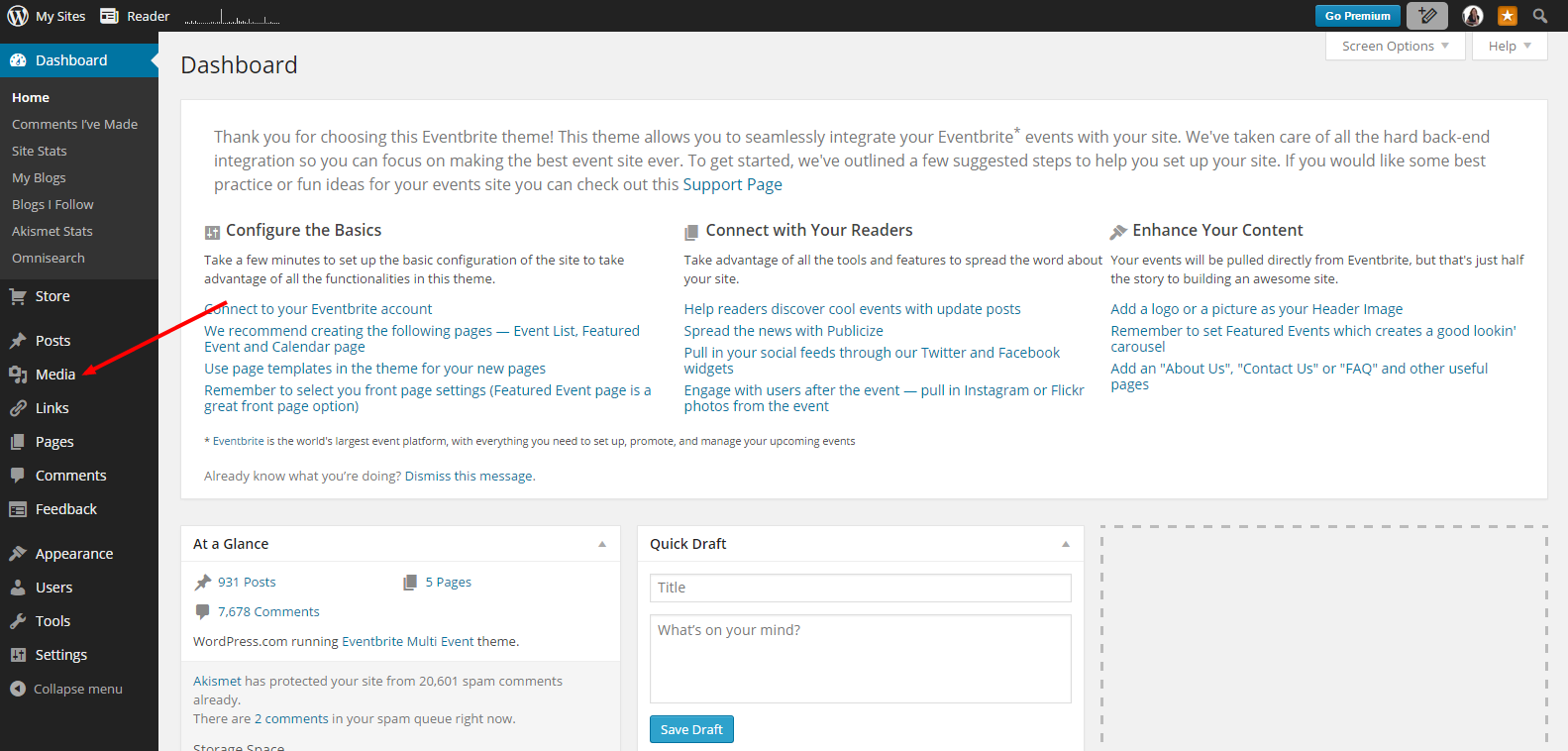
Save As a PDF file. Then head off to your WordPress site, and click Add New from the Media section on your dashboard.

1 - Media

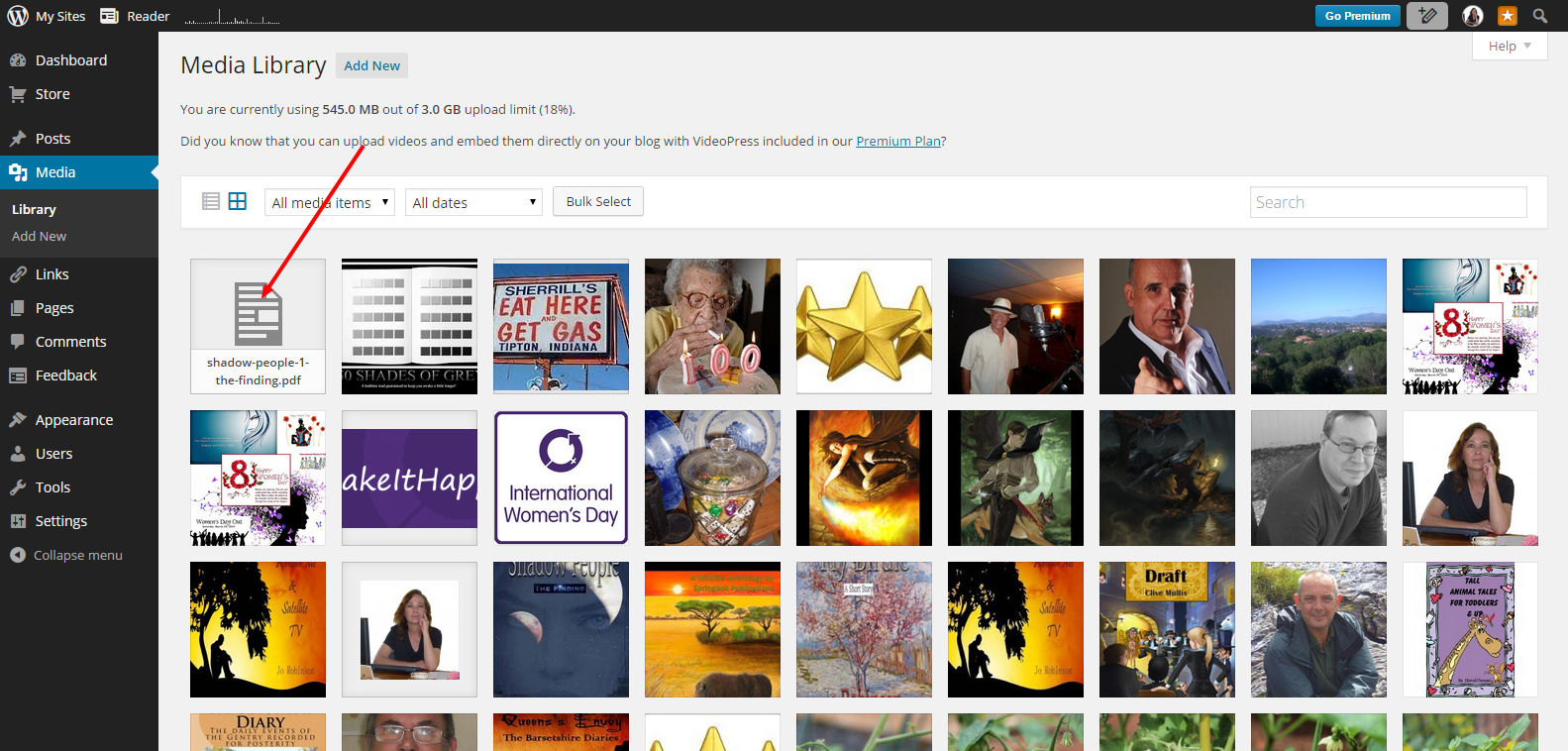
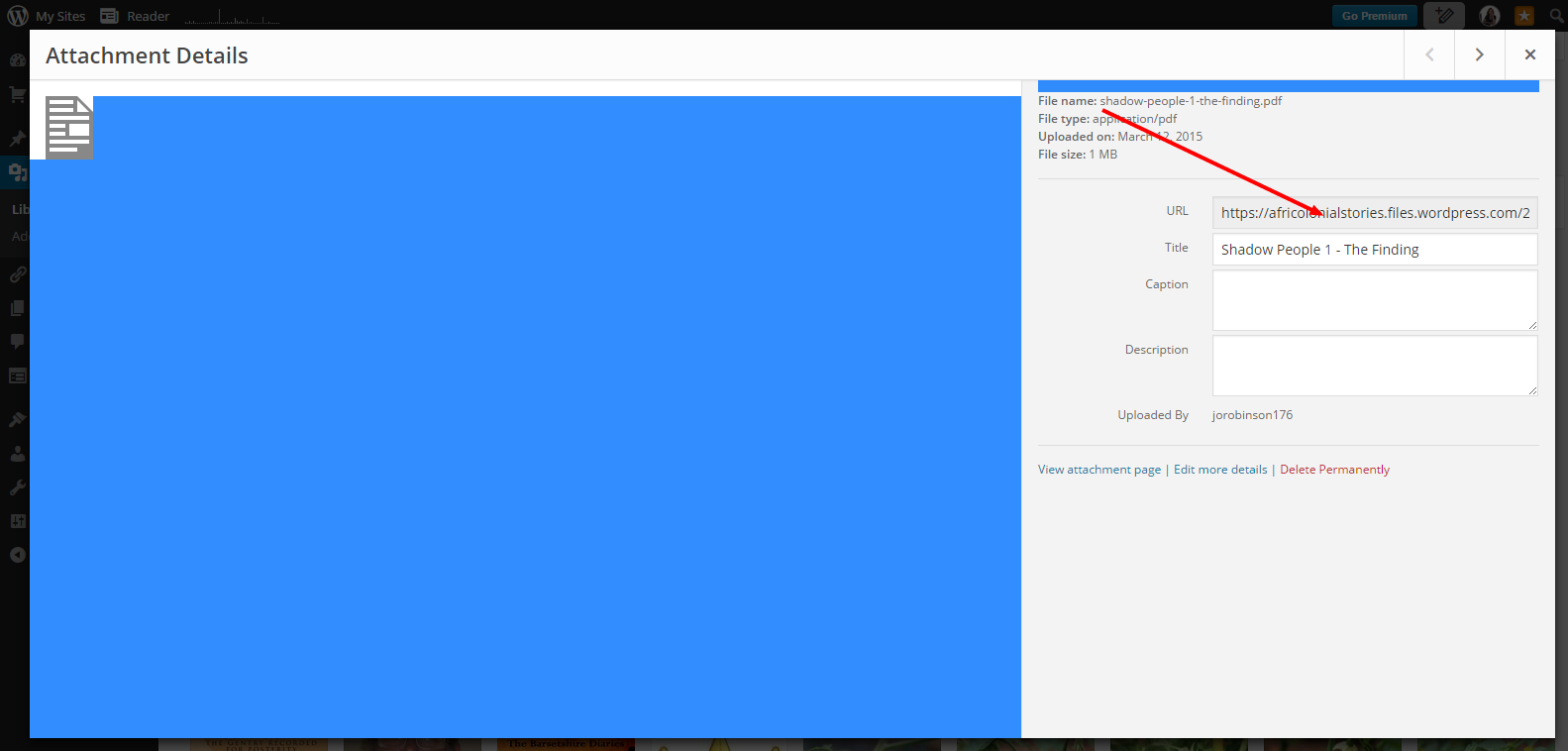
Select your PDF file, and wait for it to load completely. Then hit the edit button and copy the URL address. You can use this address anywhere you like to make your book available for free download.

1 - Select
1 - Upload
1 - Copy Url

Next zoom on over to Mailchimp and add it to your subscription confirmation thank you email. Just type the text that you want to appear above the link – Click Here To Download, for example, then click on the link icon at the top of the page and paste in your book URL. This is what it will look like.

1 - Final Look

Have fun building your newsletter, and don’t forget to add an invitation to subscribe on your blog and website.

Jo Robinson

Jo Robinson Author“Jo Robinson is the resident Indie Author Guru of LWI. Visit her Amazon Author Page for numerous books she’s put out into the world through her  own sweat and tears. (And we hope not much blood involved.)  Click HERE for he blog, and HERE to follow her on TWITTER.”~Ronovan Hester


Enter your email address to subscribe to this blog and receive notifications of new posts by email.

© Copyright-All rights reserved by LitWorldInterviews.com 2015

Why Use Kindle Matchbook?

There are a couple of reasons why you might want to offer your eBook with its paperback version at a steeply discounted price, or even free using Kindle Matchbook. People love a bargain, so it stands to reason that they’re really going to like the freebie best of all, but for instance – when buying a paper book as a gift they then can get the eBook for themselves at a steep discount – bonus. If someone is spending ten bucks for a paper book, an extra ninety nine cents shouldn’t be hard to spend. You get the full seventy percent royalty on the small sale which isn’t a huge pile to be true, but most importantly it also gives your rankings a boost. Also noteworthy, giving a free full colour eBook with a black and white paper self help book can do wonders to boost your CreateSpace sales.

Putting high quality colour images in your Kindle book is easy and only costs you a small amount of your royalty whenever someone buys and downloads it. Putting colour images in your paper book for CreateSpace is a whole different deal though, and you should always use the calculator there to find out what the minimum cost to produce it will be first before hitting any save button. Consider if colour images justify the high end cost to your readers.

It makes no difference how many images in your paper book are colour – the cost to print will be the same whether there is one or a hundred colour pictures in it. My non-fiction book is only a hundred and six pages long and if it were to be printed with colour images it would cost over twenty dollars. For a simple how to book such as mine is, I doubt that many people would be willing to fork out that kind of money. Unless you want to publish a special full colour children’s book, a fabulous coffee table tome or recipe book, or anything that really is all about the pictures, you might want to stick to black and white, but sweeten the pot by offering a full colour Kindle version using Amazon’s Matchbook feature.

There are still people out there who adamantly refuse to buy anything other than paper books, but the majority of us enjoy the convenience of eBooks. With Matchbook you can offer the digital version of your book either discounted at two ninety nine or less (textbooks nine ninety nine or less), or give it away free to anyone who purchases the paperback. Not only does your reader get to have the convenience of being able to look at a physical book on their desk while they’re using it to learn to do something – possibly on their computer in which case it can be a pain flipping between the how to book on Kindle for PC and whatever it is that you’re trying to learn – but they can also access any links that you’ve put in the eBook as well as getting to eyeball the colour images.

You will see whether or not a book is enrolled beneath the blurb on its landing page.

Matchbook

To enroll your own book, go to your bookshelf and select it in the Book Actions tab.

Matchbook Enroll

Have a Cookie

I’m the very opposite of a techno wizard. In fact I’m just like most other scribblers out there in that at various steps along my Indie publishing way I have to take large chunks of time away from my writing to learn something computer, online, or software related. Lately it’s occurred to me that there’s a new bit of knowledge that needs to be added to the modern author’s toolbox. Whether traditionally published or Indie we all get to advertise our own work these days. We spend lots of time on the internet researching, promoting, and interacting with other people, including other authors on various platforms. We zoom off and buy things online. All sorts of things from foods to crockery, clothing and books. All this zooming leaves a trail on your computer which you can access by viewing your History in your browser, and really shouldn’t be anyone’s business but your own. That’s all good – but then there are the cookies.

A cookie really shouldn’t be anything to worry about, other than the fact that it’s something on your computer that you didn’t specifically put there yourself. They’re tiny little text files that are placed on your computer’s hard drive by some websites for the purpose of storing information to be picked up again later by the server that put them there. When you use a website that uses cookies it will pop down a cookie with an identity number specific to you. There’s more to this technically, but for our purposes all we need to know is that these things exist in our systems. Mainly they’re innocuous and intended to store information about you that will be helpful in future in that they can know your preferences, and also to tell if you have visited their site before. They can’t look at other cookies or anything else on your computer itself, or do anything other than mainly lurk there until you return to the server that placed them there.

So, a cookie will help a server know how many times you visit and your preferences and location. Harmless enough. Except when it’s not.

Most sites have good privacy policies in place, but it is possible for a site to track pages you read as well as what you buy and click on. This is easy to recognise when you’re looking at a particular product on a site new to you and an advert for the same or a similar product pops up there from an online company that you’ve previously bought something else from. This happens all the time, and it’s not logical to think of it as a happy coincidence. Probably if you want the product you’ll head over to the company that you already have an account with and buy it there – cookies job done!  You’re being quietly tracked.

It is possible, even though questionably ethical, for cookies to be loaded on to your computer that can possibly see what you enter into search engines and follow you to multiple sites, all while you unknowingly zoom around doing your authorly business. All these bits of information lifted up to the web server at various times means that this particular server knows pretty much exactly where you’ve been online, and when too. Possibly as writers any site collecting our information could end up confused and think that we’re serial killers, perverts, and weird conspiracy theorists to boot considering the things we search for, and that doesn’t bother me at all. Still, our online movements should only be shared at our own discretion, so if this is important to you, then you might want to regularly toss your cookies.

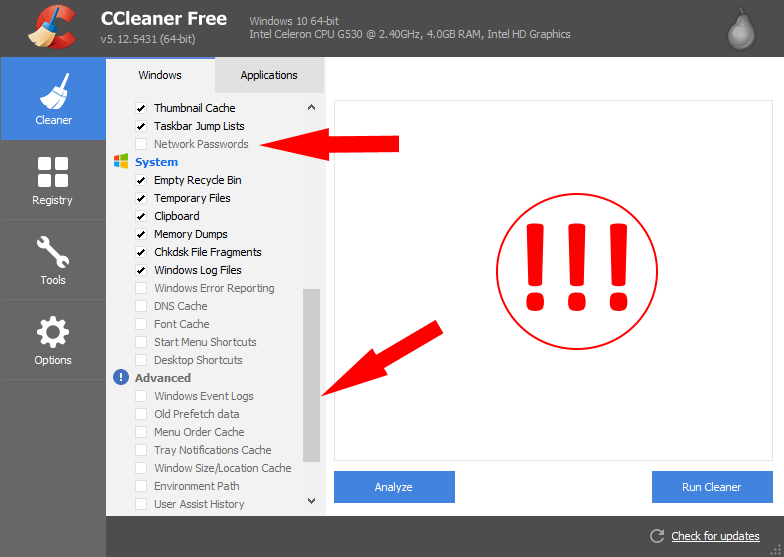
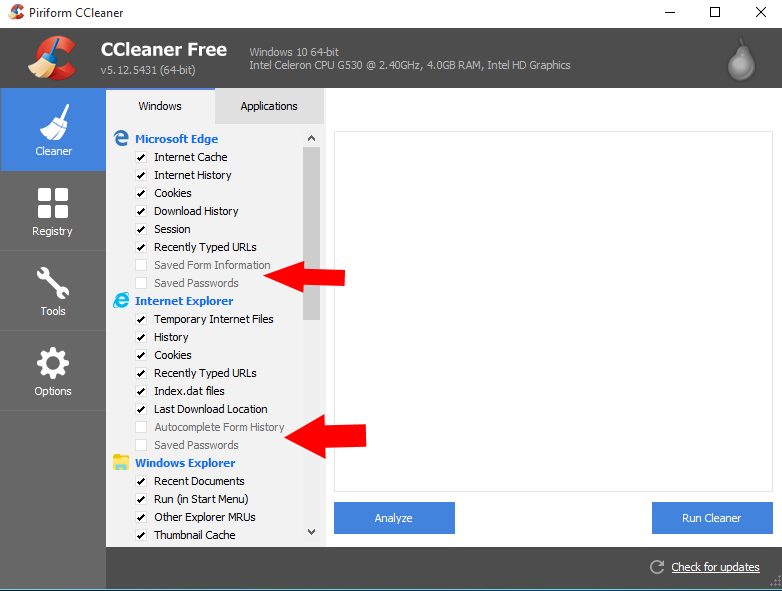
When you join certain sites you agree to them using cookies – that’s part of their terms of service. You don’t agree to never cleaning up your computer though. That’s something that you should do, particularly before and after you enter any site that you believe is following you around rather than simply leaving a cookie to recognise you with next time. It’s a simple process for those of you who aren’t already doing it, and good for your computer’s health in general too to have a clear out now and then. Firstly download and install the free version of CCleaner. They also have paid versions, but for the purposes of general and cookie clearing the free software is great. They let you know when there are updates for you to download too.

Once your CCleaner is installed, firstly close everything on your computer, and open it. Before running it, carefully go through the list of things to be erased on the left and make sure that anything you don’t want to lose is not checked, like saved passwords and so on. Don’t select anything at all from the Advanced selection unless you know exactly what you’re doing, and if you don’t know what anything is anywhere else leave it unchecked. If you’ve never done this before definitely leave something unchecked rather than delete something important. The main thing is to get rid of those cookies. Click on Run Cleaner and they’ll all be gone.  No more cookies, and any site you enter from there it will be with no history of your movements.

* Click on images to enlarge

CCleaner

CCleaner2

You can also use this for registry cleaning, which is very helpful for getting rid of the bits and pieces left behind after uninstalling a programme for instance, but I won’t go into all that here except to say that don’t check anything there either if you don’t know exactly what it is.

Apart from the cookies, if you aren’t cleaning your system regularly quite a lot of space could be taken up on your hardrive by unnecessary things after a long period of time, so this is useful in more ways than one. Now you have it installed, always do a clean before you enter a site that you believe is following your personal moves around cyberspace, and also directly after leaving it – just in case you forget to clean before next time. Safe online travelling fellow scribblers.

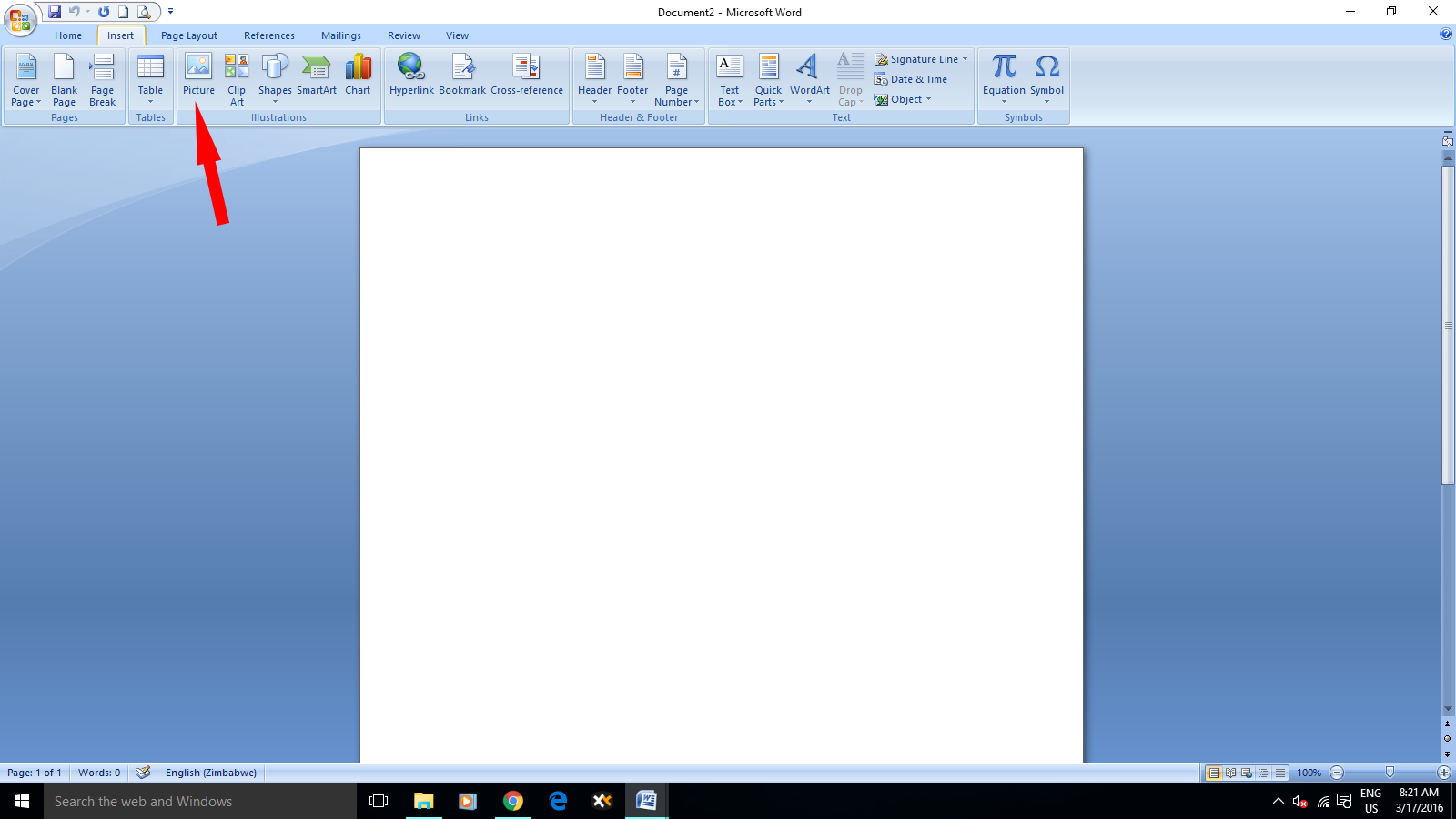
How to Make a PDF Cover for Your CreateSpace Book

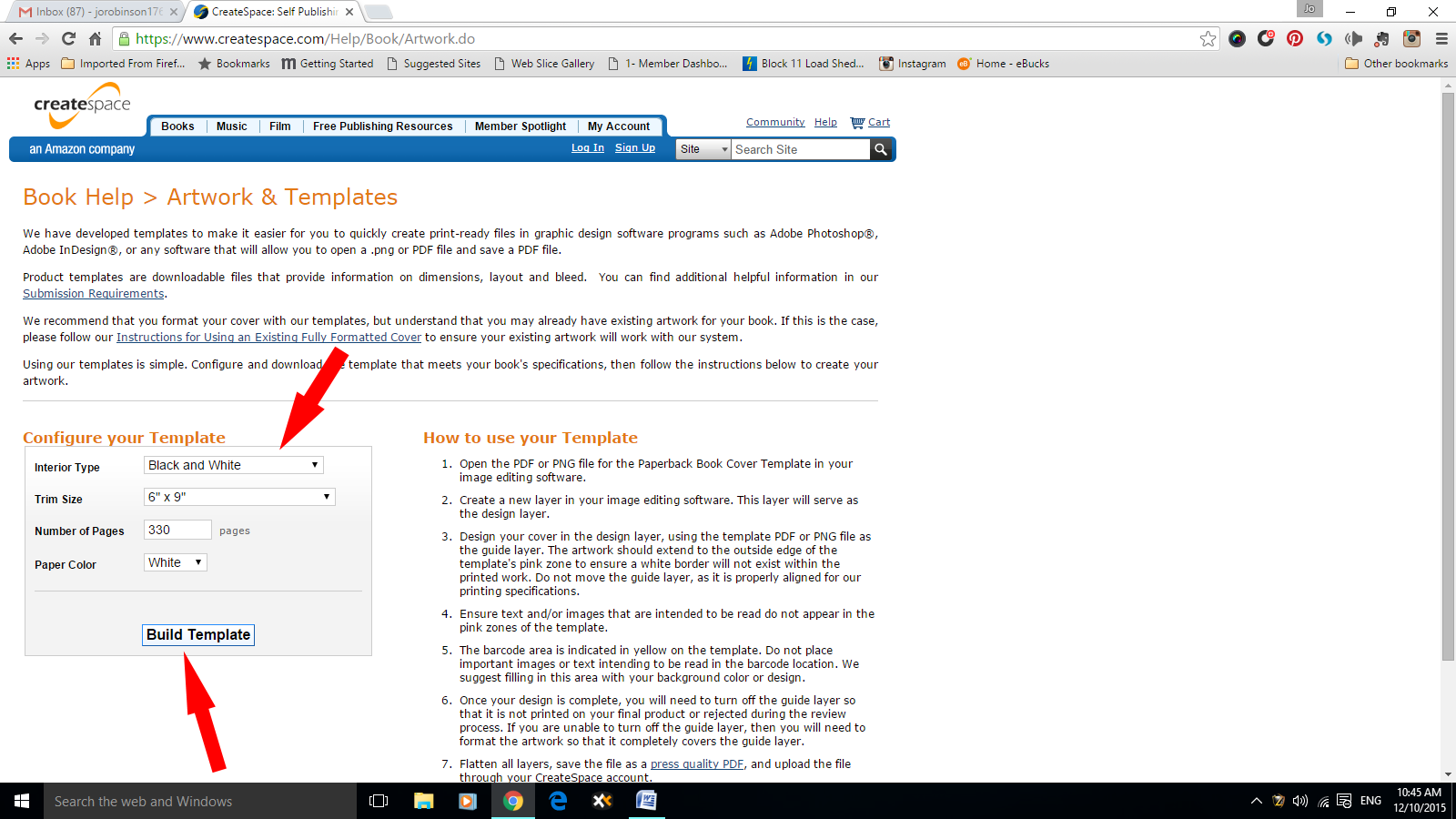
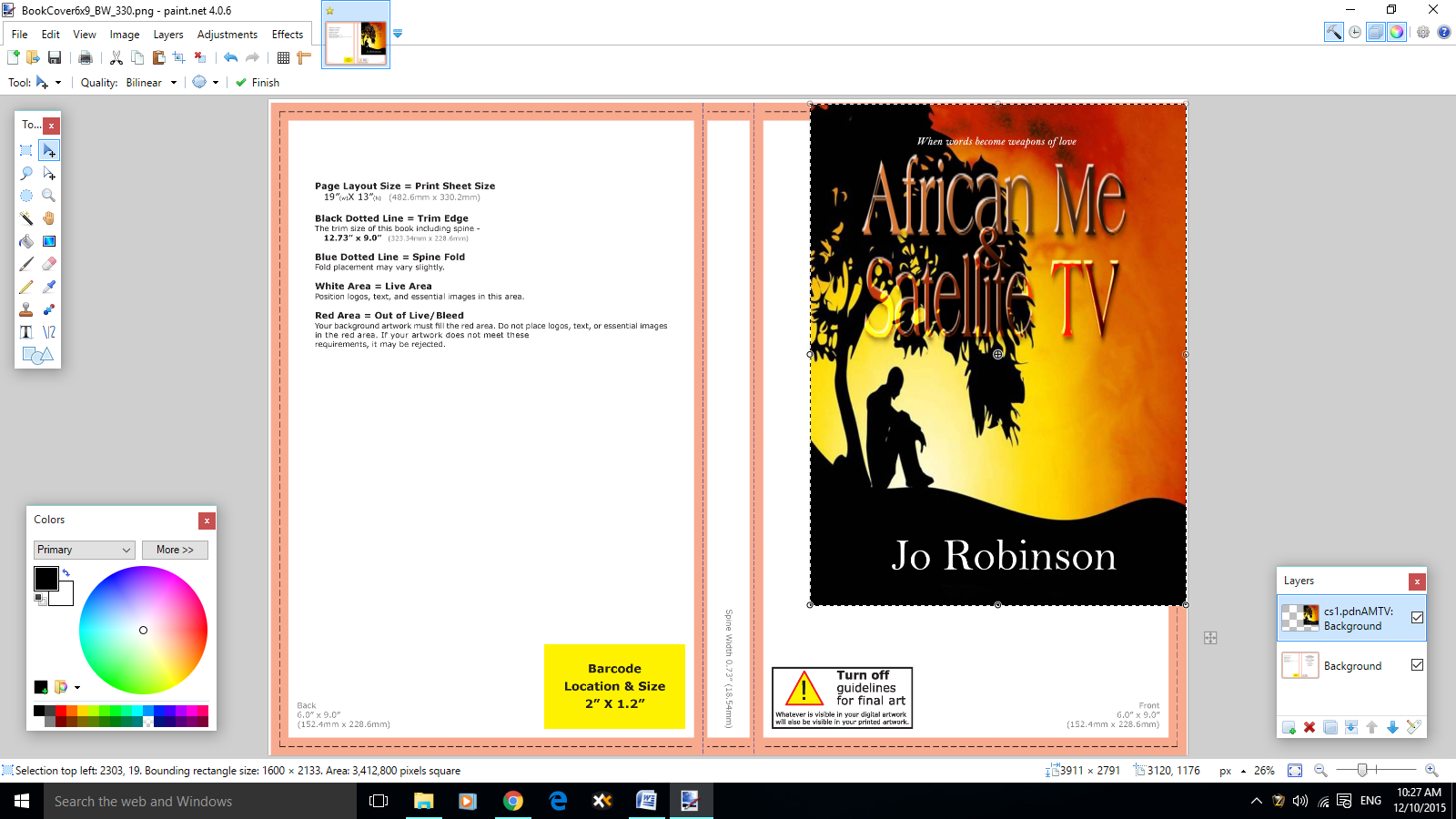
When you’re ready to have your book printed with CreateSpace and you’re planning on tackling the cover on your own it can seem rather daunting. It certainly terrified me to begin with and I only very recently updated my covers from the originals I made using the CreateSpace online cover creator. There’s nothing wrong with using that though. It depends on you entirely. Today I’ll show you how to make a PDF cover using their downloadable template. Once you’ve finished the interior of your book and have the final page count, go to the CreateSpace Template Generator and fill in all the required fields.

  • Click on screenshots to enlarge.

Build Template

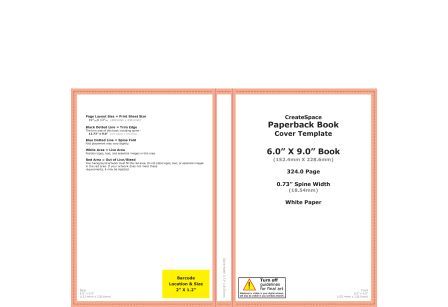
Click on Build Template and it will download a zipped file containing two templates. One PDF and one PNG. Drag the PNG across to the folder that you’ve allocated for all the elements of your cover design.

BookCover6x9_BW_330.pngTemplate

For some reason these templates come with a lot of white space around them – I suggest cropping it away to avoid straining your eyeballs overly. Another odd thing I’ve noticed with the templates is that the page counts written on them are generally rounded off. You can fiddle around with the generator until you get the exact count, although I just used the one I got. They know what they’re up to I’m sure.

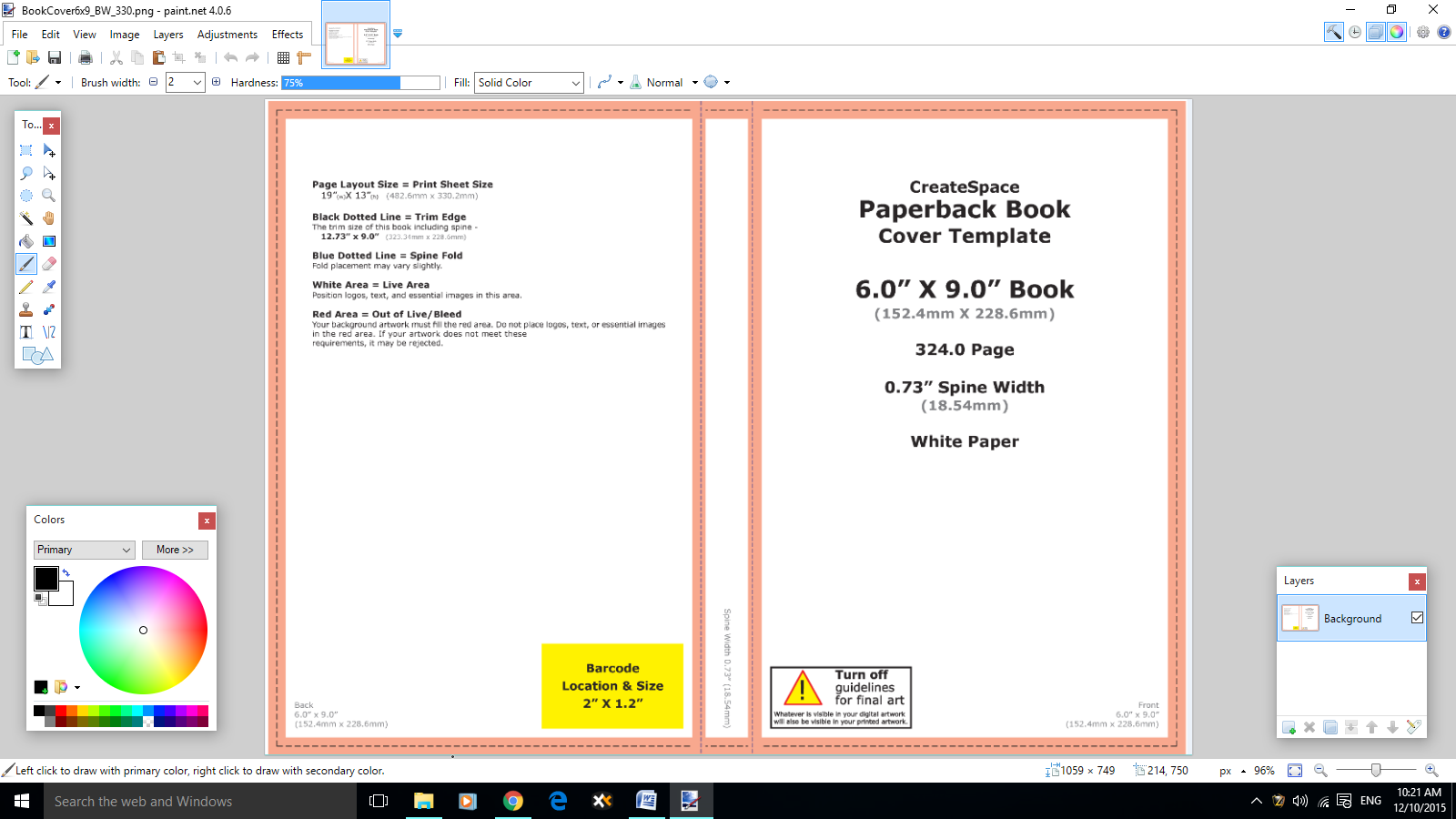
You’re going to need to open this template with design software. You could use whatever you have such as Photoshop or Gimp – anything with layers. I’ll stick with my favourite for this sort of thing, my good old workhorse, the free Paint.NET. I’ve mentioned Paint.NET lots of times before so I won’t go into the whole thing again – just the steps you’ll need to take for this. If you don’t have any design software yet, go ahead and download this. As well as being free they have loads of plugins and tutorials on their site for you to get up to speed with it.
PaintnetBefore you load the template up – using File > Open on Paint.NET, double check that none of the elements of your cover are sized wider or higher than the template supplied. The original is 5700 x 3900 which becomes smaller after cropping. Also make sure that all images have a quality of 300dpi. You can check this in Paint.NET too by clicking on the Image tab and having a look at what comes up when you select Resize from the box there.The pink outer line (that I believe is referred to as the red line even though it’s all pink to me) is split by a dotted black line. Everything that you place below it is safe. Nothing must be placed above it that you’re going to mind losing in the trim process. Make sure that no typography creeps into any part of the pink as well as anything key to your design. Even though a portion of it may be trimmed away, it must still be filled to the very edge of all the pink. The black dotted lines running through the pink on the spine are your fold lines so make sure that your spine lettering or artwork is kept well away from them.

You can add elements in any order that you want. I just find it easier working from right to left. Click on the Layer tab in Paint.NET and select Import From File, browse for your cover and load it up.

Using the little tabs in the corners, stretch it out to fit or move it around by clicking on the image and moving it to where you want it. The easiest way that I’ve found is to get it lined up exactly in the top right hand corner and then stretching it out to fit.

1


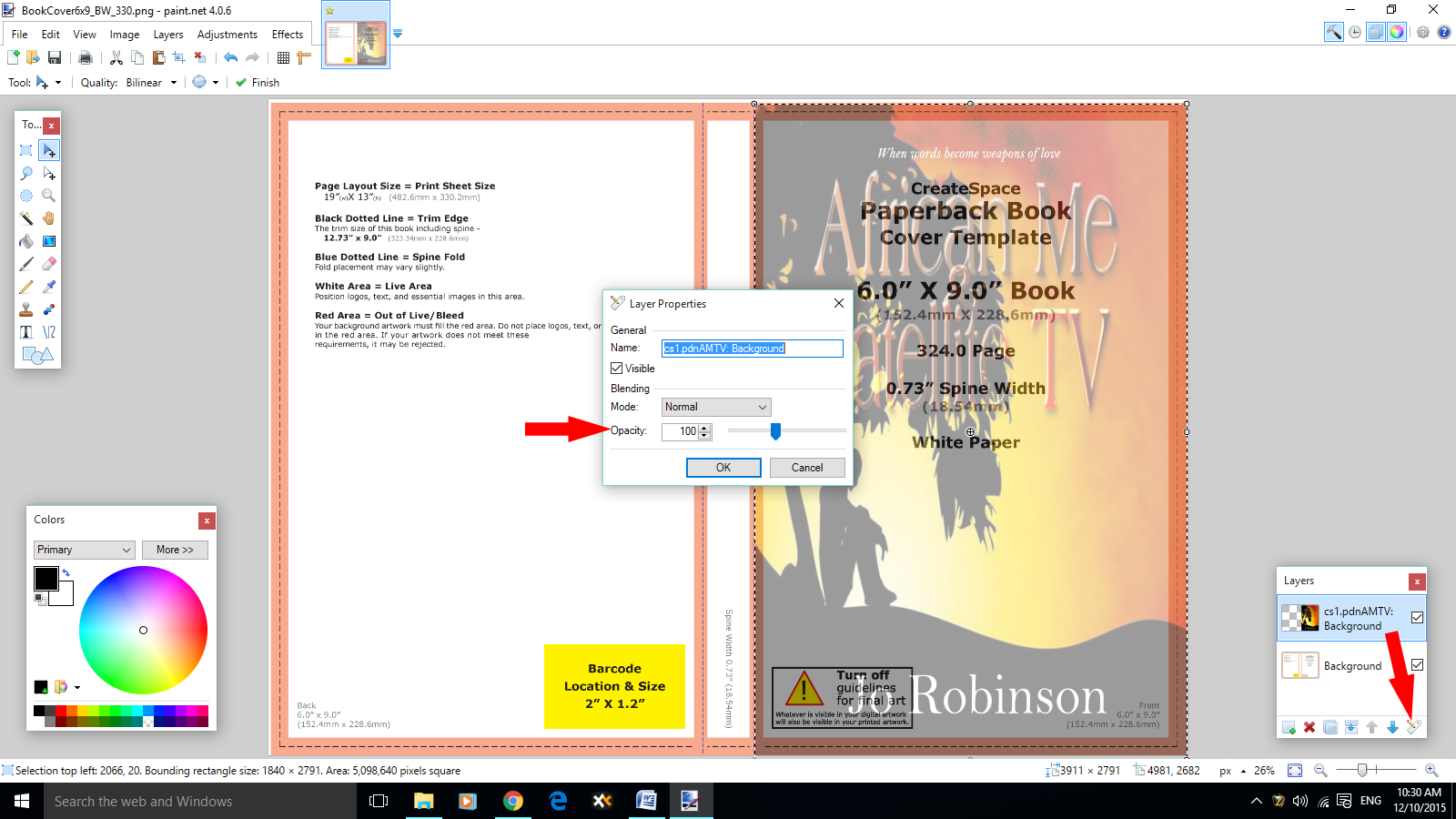
At any point in this process you can toggle between layers, but I purposely made this cover without doing so for anyone who finds the thought of fiddling with layers too much for now. The nicest and easiest trick to use is to change the opacity so that you can still see your cover, but you can also see through it to the template below. To make the layer you’re working on see-through click on the properties box in the bottom right hand corner of your screen and change it. Normal 100% opacity is set at 255, so try 100 to 150 to see the template too. Don’t forget to change it back to 255 when you’re done or you’re going to end up with the template being an actual part of your cover design.

Opacity

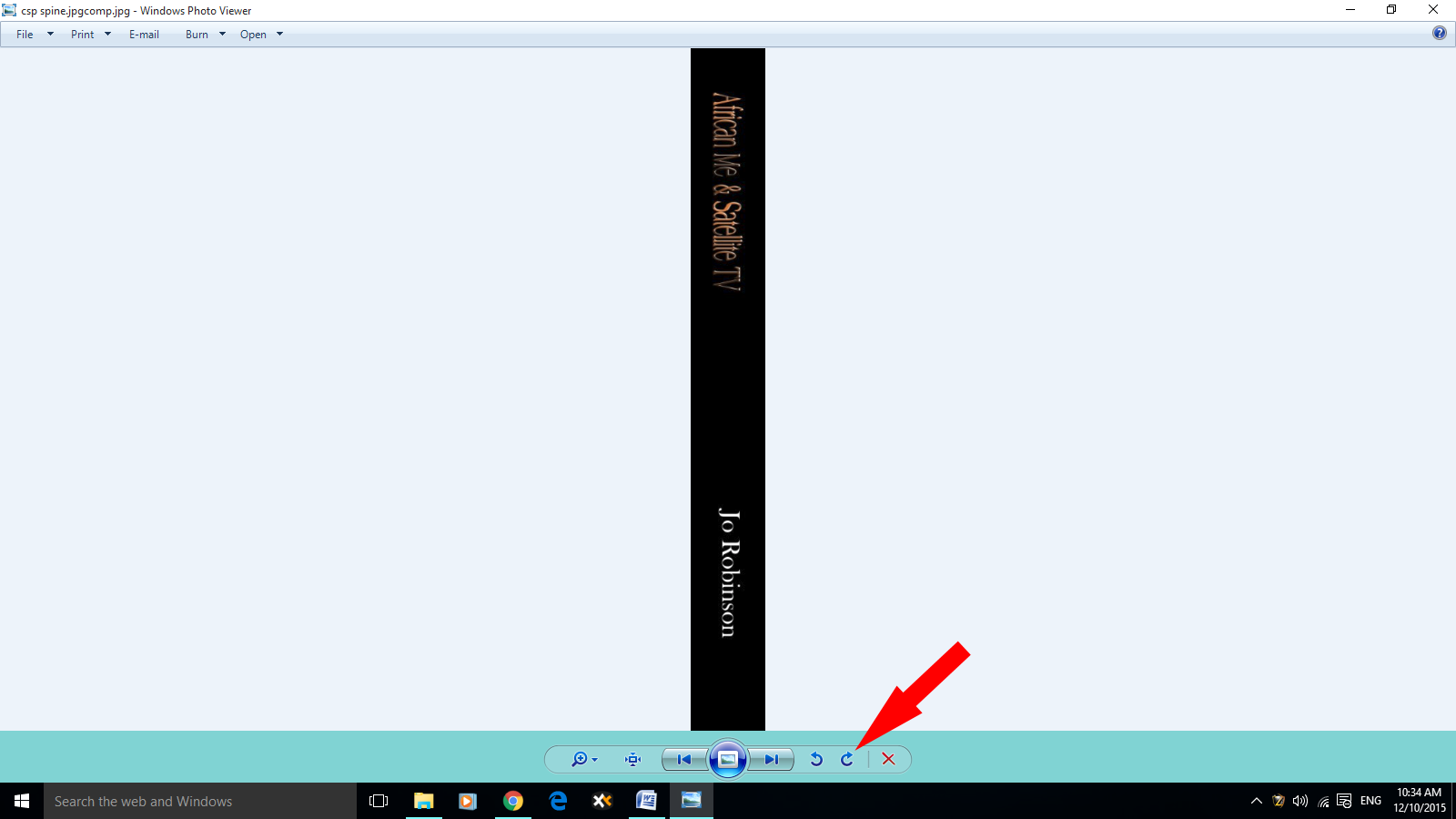
Next is the spine. Create yours facing the usual way, but rotate it to upright before loading it up.

Spine

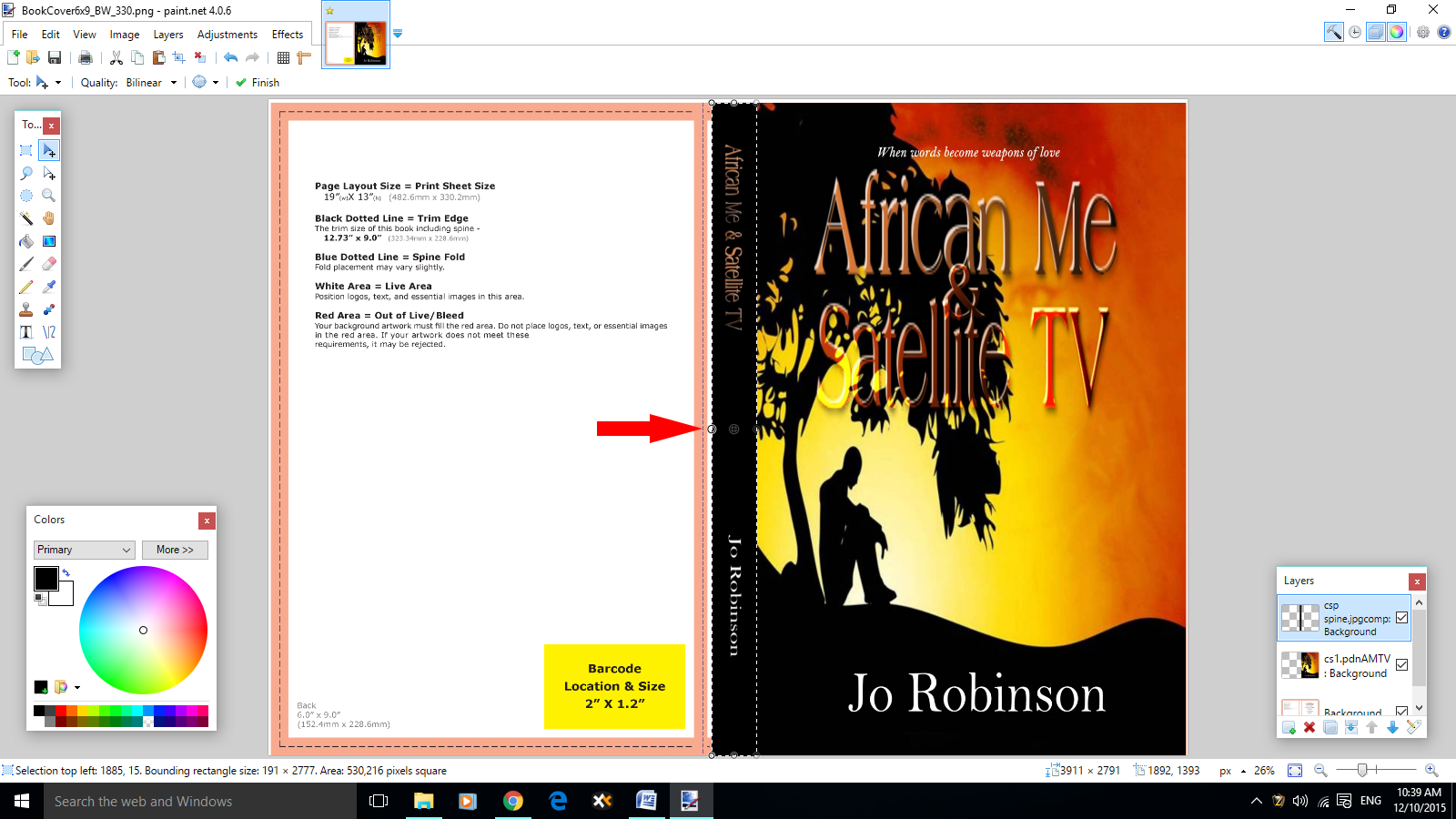
This way it will remain straight and all you have to do is stretch it out to the fold lines. Double check that there are no gaps left in between.   Each time you use Import From File to add another element you are creating a new layer, so whatever you do there will have no effect on the layers below.

Fold Line

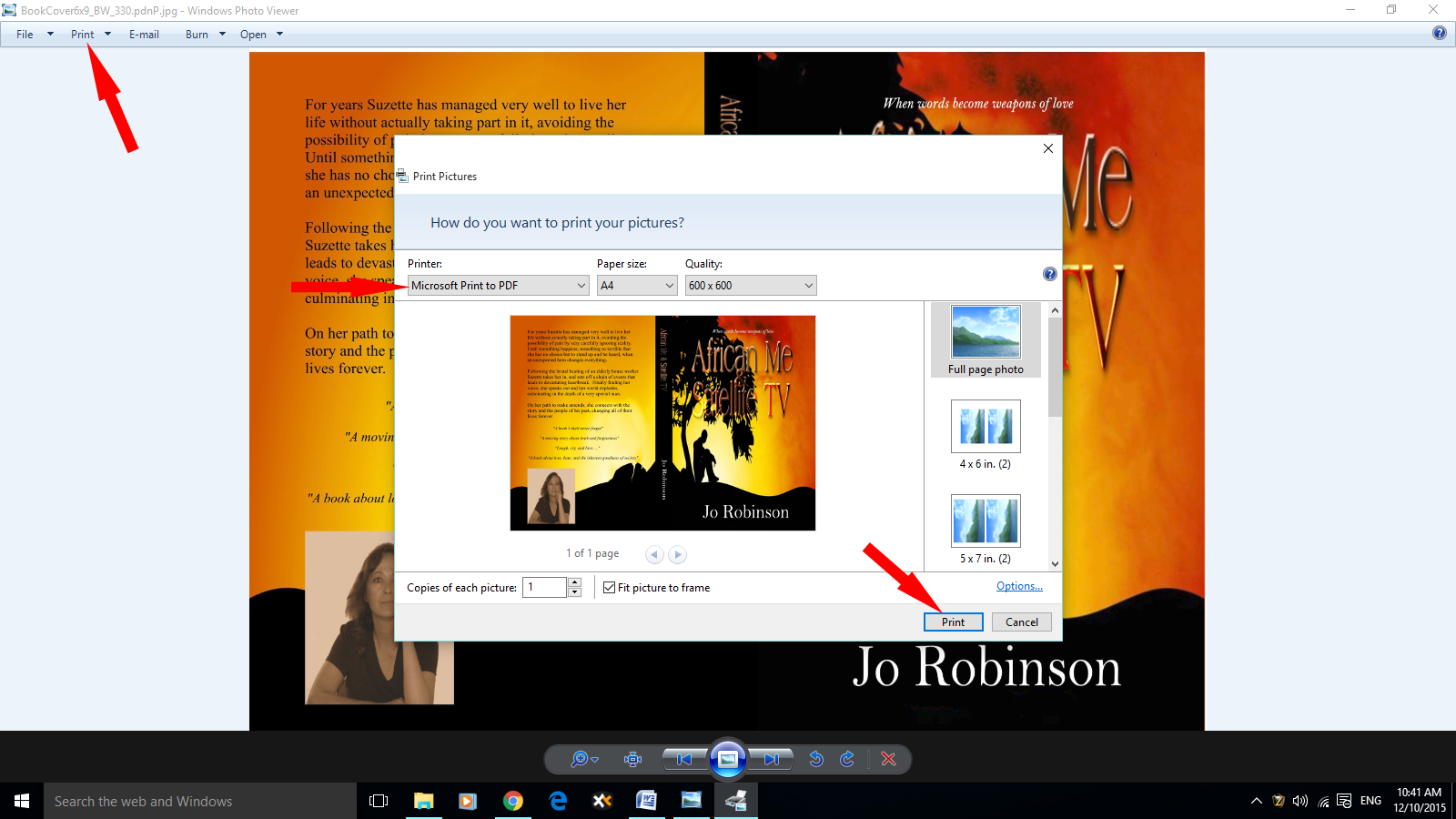
Finally add your back cover, making sure that there is nothing important in the barcode area or it will just get covered up, and Save As JPG. Open the JPG in your photo viewer and if you’re happy with it Print it as a PDF file. This will be what you’ll load up to CreateSpace. Job done.

PDF

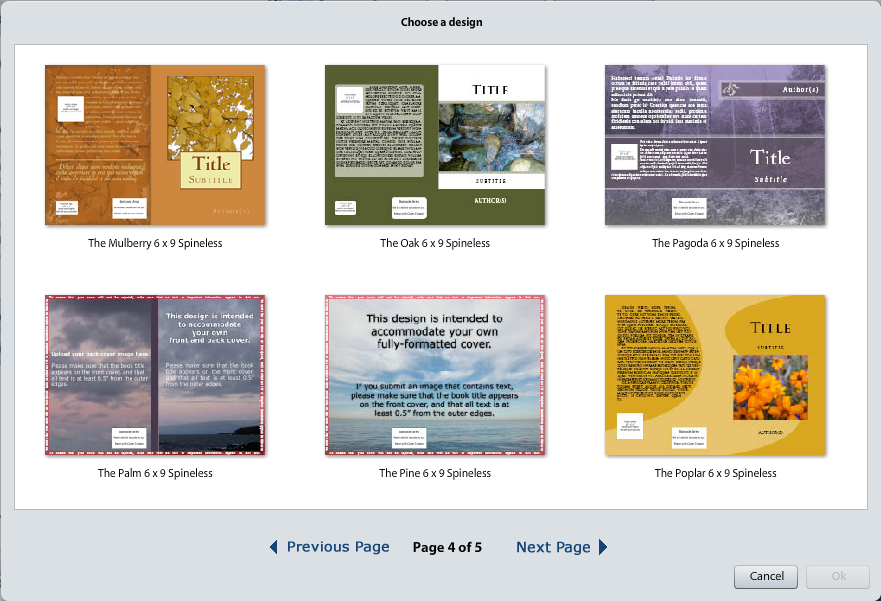
If this seems like something you’re not ready to do, then definitely use the CreateSpace online cover creator. You should still load up your own cover design and back though rather than use theirs so as to not see your cover on other books all over the place. It’s easy to use and the only drawback I found with it was not having a greater selection of colours for the spines of books. Either way you decide to go, you can still end up with a fabulous cover for your book.

Online Cover Creator

Deadlines and Goal Setting

The very thought of setting deadlines for your work is anathema to some writers.  They believe that having a fixed time to complete a story will knobble their creativity and result in them churning out awful hogwash.  I don’t agree – personally I think that there’s joy to be found in a little bit of discipline.  Possibly if you set unrealistic deadlines you will indeed find yourself knobbled and not produce your best work, but reasonable time set for a project can inspire you to work at it every day rather than watching soaps because you have all the time in the world after all.  Truthfully, we don’t have all the time in the world, and if we want to leave a legacy of stories, we need to get them written down.  Goal setting helps us do this.
Deadlines can be terrifying things when life gets in the way in the form of illness, or some other kind of stress inducing thing that seems hell-bent on preventing you from accomplishing your goal.  I believe that the universe has been, and continues to be, rather lavish with me personally with the terrifying and stress inducing things by the way, and I’ve missed many of my personally applied deadlines.  That doesn’t mean that I’m going to stop setting them though.  Living life without goals doesn’t seem very exciting, and just like any other worthwhile pursuit, I think that working towards a goal, which is just a personal deadline after all, is great for any writing or other project.  Consider Parkinson’s Law.
Parkinson's Law

When there’s no sense of urgency it’s human nature to let projects take much longer than they should.  Rather set yourself the right amount of time.  Having projects waiting to be finished is generally stressful to some degree to most of us, and the longer any particular project languishes the worse we tend to feel about ourselves for not getting cracking on it.  Fiddling with one particular book for months or years on end might be pleasurable for some, but for many anything that takes so long to do has a very good chance of being abandoned altogether because of our feelings of failure.  Setting deadlines for yourself will help you dive right in and write, rather than angst over single sentences for days and days.  Now is the perfect time to get started on setting real date goals for your writing if you aren’t already doing that.

With 2016 poking its face up on the horizon, why not grab a pen and notepad and list your writing goals for next year?  Be realistic – if you’re sure that you can finish X book by June and Y book by November, set your deadlines for July and December to give yourself a little leeway.  You know the speed of writing that you’re comfortable with, so you can choose whether or not you want to challenge yourself with a little bit of extra zoom required.  You can break those annual goals down into chunks with what you hope to achieve monthly, weekly, or even daily.  The scariest thing about completing any project with a deadline is actually starting it, but once you do start it and accomplish that first day’s goal, the easier it gets.  It’s pretty much guaranteed that you won’t make all of your deadlines, but that’s alright as long as you try to.  Don’t ever be harsh on yourself if you don’t get there, rather relish the fact that you did your best.  Don’t give ever up because of a missed deadline – rather set a new one.  So dust off that book that’s been lurking unfinished for way too long, and write a date on it.  A deadline.  Then don’t worry about failing to complete it, rather have at it joyfully in the knowledge that it’s not the guarantee of literary accolades that means success, but the actual doing – the writing.  Finishing your scribbles is absolutely success.

When You Pay to Publish the Royalties Are All Yours

There’s no shame in paying to have all the technical aspects of getting your book to publication done by others if you feel that you really don’t want to tackle these things, just as there’s no shame in paying for formatting and print runs of your book from publishing companies who do this if you can afford it. With new Indies arriving online all the time without knowledge of how these businesses work, it’s probably wise to post a reminder now and then of what to avoid with this. I was speaking to a blogger friend by email the other day, and he mentioned that he was considering one of these companies. Of course I zoomed right on over there and had a look. The first things that jumped out at me were “The cost to you will be….” and “We will pay you royalties……”.

There should only ever be two totally separate choices here. You either pay a publisher to print runs of your book, which you then sell, or they pay you for your book, which they then sell, as well as paying you future royalties. You must never, ever, never – seriously – never, ever pay to have anything at all done to your book as well as signing any contract involving copyright and royalties. It’s one or the other. I know that there is a lot online about these unashamed scammers who will charge you for everything from cover design to paying for copies of your own book – which you would then have to sell yourself anyway, all the while owning your copyright for years and paying you a small royalty percentage for any sales, but it’s clear that they’re still doing great business. If they do advertise it would really be minimal, and they load your books for sale on the very sites that you can load them up to yourself for not a cent. They set the book’s price – you have no say in this. This situation benefits only them, and never you.

It’s exciting when you’ve just finished your first book to let everyone know that you’ve been “signed” by a publisher, especially if said publisher appears to be large and impressive. Signing deals with these “publishers” is really not a good idea at all. They will take on all comers, regardless of talent anyway. It’s not the quality of your story they’re interested in – it’s the size of your bank balance. So take care if you’re about to go zooming out there with your first book, seeking a publisher. Google any of them that take your fancy, research properly, and look for anything that involves the kind of “deals” above, and if they are there, then run away sharply.

If you’re not sure, then ask. There are lots of seasoned published scribblers around on the internet, on their blogs and writer’s groups as well as on forums, both Indie and traditionally published. They’re generally a helpful bunch, so don’t be shy to seek their help rather than finding your copyright signed away and you getting royalties for the book that took you years to write, and which you have to pay your “publisher” to purchase from and sell yourself anyway.  Don’t hand your hard work over to these unscrupulous shysters.

Money

Understand the Tools of your Trade

You’re unlikely to find gainful employment as a secretary if you can’t type. Any job of work that you want to do obviously requires some study and knowledge of what you’re going to be doing. Likewise if you’re self-employed, while you can call yourself anything at all, if you really want to do what you do as well as you can, you’d be wise to arm yourself with knowledge of your field, and also knowledge of the tools that you use to do your work. For scribblers one of your most important tools is your word processing software. If you’re an Indie publisher just knowing the very basics is not really good enough, unless you can afford to outsource formatting and all the rest. It’s a good idea to study up on what your word processor can and can’t do because either way knowledge can never be a bad thing, and it’s much more satisfying to know that you’re the captain of your own ship and unlikely to land up on the rocks.

In today’s world you can learn anything you like online. Just like being successful at school it depends how much work you’re prepared to put into it. There’s a lot of incorrect information online as well, so going in, the first thing to do is to check out the source of information. If you want to know more about Microsoft Word 2007, which is what I use and is the preferred software to use for publishing on Amazon, then head straight to the source. There is all you need to know about this software available from Microsoft themselves, as well as from respected and established gurus with visible and impressive credentials online for you to find, study, take piles of notes about, and become the ninja master of your main writing and publishing tool. Likewise for Scrivener, Mac, or any other system you use.

Two of the main problems that Indie authors have are typos and the final formatting of their books either to publish as eBooks on Amazon or paper books with CreateSpace. Typos will always weasel their way in – the little sods, but some of them can be avoided by knowing your way around your software, and using the tools available to you. Word is a powerful system with loads of functions that many scribblers don’t know about. The fact that the biggest piece of advice for formatting eBooks is not to use manual paragraph indents or tabs tells us that many Indies are using their word processing software as good old fashioned typewriters. We need to step up and stop flailing around doing that. I’m learning something new all the time, so I can indeed confirm to all of you that it really is never too late to teach an old dog new tricks. It’s up to you whether or not you’re prepared to put the time in. Setting aside a few hours to watch or read tutorials isn’t going to hurt. It could feel tedious, or it could feel exciting – depends on your mindset going in, but you’re absolutely going to come out on the other side with more knowledge and confidence in doing the job you’ve chosen to do.

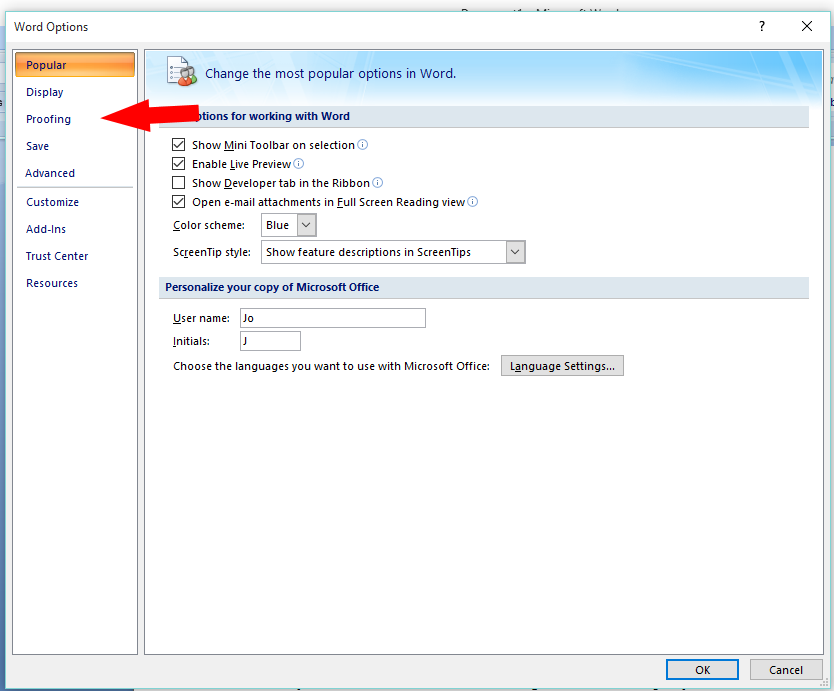
It’s worth taking some time to explore the power of whichever writing software that you have. For instance, in Word 2007, pop up to the Microsoft Icon in the top left corner and click on Word Options. There should be something similar in any software you use, so if it’s not immediately obvious, Google will be your friend here.

Word Options

Next click on Proofing.

Word Options 1

Now just have a squiz at the various automatic proofing options to choose from. For instance, Ignore Words That Contain Numbers comes automatically checked. As writers, why on Earth would we want to do that? Uncheck that puppy straight away.
Word Options 2
You’re not going to break anything by slowly going through your options here, and it will empower you as you scribble away. It’s comforting to know what you’re doing – even just a bit. Also take the time to explore all the tabs above. Watch tutorials if you don’t know what they all mean. It really is worth taking the time to get to know as much as you can about this particular tool of your trade. Use what’s available to you rather than floundering. Do you use the Find and Replace features up in the top right hand corner there? Another incredibly helpful tool in our quest to rid our works of typos and grammar gremlins particular to ourselves. Did you know that you can view two documents at the same time? Open up two documents, and then click on View Side By Side, and Bob’s your uncle – no need for endless click overs when reference material is needed.
Word Options SBS

Finally, the most common cause of pain in the writerly posterior when publishing on CreateSpace is getting the page numbering right. The very simple answer is getting rid of unseen formatting, particularly the Link To Previous commands within the header and footers before the start of the first chapter.
Word Options LTP
Simple as that. A tiny bit of formatting knowledge that will make your Indie road a lot less painful. Take the time fellow scribblers, to learn about the tools of your trade. Just as doctors, plumbers, and even telemarketers take the time to learn about theirs. If this is your career of choice, arm yourself with the knowledge you need to do it as well as you can.

Promoting Your Books on Amazon by @JoRobinson176

I’ve only just discovered, too late, that when you run a Kindle Countdown deal it either happens at Amazon.com or Amazon.UK, and not all regions at the same time.  So while this time I’ve managed to put different books on Countdowns for the different regions, I’ll know better for next time.

The thing to do if you want your deal to be available to both regions is to set up two separate promotions for the same book on the same dates – one for UK and another for the USA.  It’s a bit trickier setting a low price for the other regions, so you’d probably be better off doing an extra promotion where you manually set prices to ninety nine cents for your promotional period.  The only problem with that is that you won’t get the additional visibility of having your Countdown books listed on Amazon’s deals page.  People do actually go there to surf for bargains, and those sales are the cherries on the top of your promotion.

If you, like I have just mistakenly done, zoom along and set up your deal only to realise on the day, then you’re going to have to state in any advertising that you do which region the deal is for, or you could end up with angry potential readers clicking on your links to find that there is no discount for the book in their country.  It’s not the end of the world, but definitely not a good way to go about things, especially if you’re running ads on any of the book tweeting and newsletter services.

The same applies to free books.  I’ve often seen books advertised for free only to see that they’re not free for me.  Always have a look when you’re doing a free book promotion to see where it’s going to be free.  If you have it set to limited regions you’re definitely going to lose out on potential readers.

Even if your book is not enrolled in KDP Select, it’s a good idea to have pricing promotions now and then.  It’s not a good idea to leave your books languishing on the virtual shelf with only the occasional promotional tweet.  You get new followers on your various online sites all the time, and not everyone looks at all the widgets in your sidebar.  They could be following you because of a funny or gorgeous tweet or blog post, and have no clue about your books, even though they like your articles.  At least twice a year give your books a little party.  Drop the prices and share the news all over the place.  You’re sure to find at least a couple of new readers.

Having said that, I’m not suggesting that you join the “Oy buy my book!” brigade.  Those guys who solely blast out their book links several times a day, every day, to the same audience.  If you post only your book links this way your followers will quickly get either bored or irritated and stop looking, so when you do finally have something interesting to share there will be nobody who sees it.  Occasionally though, of course you must promote your book.  Promotion is part of your job as an Indie, so share your work proudly now and then.  There is no shame at all in earning cash for your writing, and nothing wrong with marketing without being spammy.

coins-948603_1920

Dodge Around the Blocks

When you absolutely can’t think of another single word, and the very thought of sitting down at your keyboard to carry on, or start, writing your book makes you almost come out in hives, that’s the very time to do just that. Force yourself, no matter how blank your mind seems to be. If you give in to the “I’ll do it later when I’m feeling more inspired” thought, there’s a very distinct probability that you’ll give in to that very same thought again, and then again. Habits form amazingly quickly, and bad habits even quicker than good ones, so it’s best to try not to give them any room for takeover. One unproductive hour becomes two – one day becomes two.

The path of least resistance is generally the wrong path to take in writing – in life too, but most definitely in writing. If writing a single book, let alone multiple books, was easy, then everyone would be doing it. The fact that it’s actually really hard, and that you’re doing it anyway makes you a legend. Not everyone has the ability to translate a story in their head to words on pages that people will enjoy reading. Just like art, you can see amazing things in your mind, but if you don’t have that mystical innate artistic talent that some are born with you’re not likely to transfer it exactly as you see it to canvas.

When the going gets hard, make yourself work harder. When the words on your screen look stupid, and you’re sure that your book is going to be laughed under tables, and physically thrown at walls because of the very rottenness of it, just add more words to those words. They’re very probably the opposite of rotten words. When doubt creeps in to try and steal your words, write those words down anyway. They’re there inside waiting for you to move around the fear.

When you get stuck, and we all get stuck at some point in writing our books, it’s time to firmly employ the dodge and scribble on anyway maneuver. At the end of that sentence that seems to be the last one you’ll ever be able to write, and you’re quivering in terror knowing full well that you’re an absolute fake. You’re not a writer, and never will be. Just hit the page break button and start typing something else. If you’ve hit a wall as far as what must happen next, forget about it and move on to the next chapter. You have a general idea of what will happen later in your story. Move on and write some of that. Never stop and allow the blank page to stay where it is while your doubt induced terror freezes you up even further. Move on. Write something else. Anything else. But write on.

Generally people don’t get impossible to ignore urges to do something unless it’s something that they should be doing. Doing anything worthwhile is seldom a doddle. If you have been called to write, then that’s what you should be doing. It’s not going to be easy, but it won’t always be hard either. So, never give up. Always dodge around the blocks and scribble on anyway.

12296940671347631512maven_Shakespeare.svg.hi

Two More Sleeps to NaNoWriMo and a Little Prize or Two

Two days to go to NaNoWriMo 2015! Your NaNo month might seem like it could be a little hard and stressful, but actually it should be the very opposite. An entire blissful thirty days that you get to devote entirely and without ANY guilt at all to your writing. All other business relating to your Indie empire gets to idle along. What more could any scribbler’s heart desire? Don’t put off joining the NaNo this year because life is a little stressful lately. Rather do take part in it so that all that stress can be ignored while you’re banging away at your hot keyboard. That’s another great thing about being Indie. You get to give yourself last minute urgent jobs to do anytime you like. I am sorely tempted to push my science fiction series release back a month and join you all. Don’t tempt me! I’m already on the ledge with this one.

By now you’ll probably already have created your novel profile and synopsis. That will probably change as you go along, but that doesn’t matter – you still need to get that up on the site. It’s time to sit the family down in a row on the couch, and let them know what their extra chores will be for November. Don’t be shy – give them all away. It’s only one month and nobody will expire from doing a little bit extra. Twist the nose of any little voice that starts whispering in your ear about duty and so on. Don’t think of it as family neglect, but rather as a bit of excitement for everyone. Everyone, except your writerly self that is, can have a go at the cooking, which can really be an adventure – you might in fact discover that you are nurturing the next Jamie Oliver in your bosom. If they’re not as good as you are at having at dust bunnies, that doesn’t matter at all. If you’re into cleaning think of all the good stuff awaiting you in December. A bit of mess never killed anyone, so let it go.

One story. One month. That’s all you have to think about. If you don’t have an outline and are planning on pantsing it, don’t worry, the words will come! It’s all about you now NaNoers, so if you have any questions or need any help with anything, fire away in the comments. My apologies for being a bit slow to answer comments here recently, but I haven’t been able to spend much time online. I’m back here now though.

One final thing for today. For any of you joining this year, the first two of you who say, I WANT A COVER in the comments, and already have an idea of what they want, will get a free cover design made by yours truly. Then you have to finish the book, don’t you? At the end of the challenge, we’ll put up a Rafflecopter and all the challenge winners who want to participate will have a shot at a free cover as well as a gift copy of my how to publish on Amazon book and one on one help from me to put your new baby out there to start selling like hotcakes. So NaNo warriors – tell us where you are so far.

Finally, a very special doodle for you to print out and stick on the door, or anywhere conspicuous while you’re immersed in the worlds behind your eyes. Good Luck Guys!

FW1.jpgW

Time to Kick the Critic to the Kerb

Even though finding a terrible review of any of your writing can slice your soul in two, and have you spending a week in your jammies going through super deluxe boxes of tissues, some of your own inner dialogue has probably been a lot worse at various points along the way. Perfection is something we all secretly wish for, but perfection in any pursuit, creative or otherwise is probably something attained only accidentally. NaNoWriMo November is fabulous because there really isn’t any time for agonizing over sentences, and you have a golden free writing ticket to bang away at your story without any exact sense of expectation for the outcome. If it sucks when it’s done, that’s perfectly alright. There will be lots of time for repair later.

If we could inject some of that good stuff – that happy, fearless scribbling – into our day to day writing lives, we’d probably produce more of our best work. In fact, I think that a lot of our best work gets deleted and never sees the light of day because of the stern critique we often subject our own writing to. I don’t think that I’ve ever read anything, no matter how much I loved it, that was perfect in every single respect. Maybe I found only a single sentence in a hundred thousand word book ever so slightly jarring, which made it not entirely perfect for me, but someone else probably loved that very sentence and found something else lacking in perfection.

Self-confidence is often in short supply in creative souls. We’re mostly quite an empathic lot – total softies.  Probably we have to be to convey feelings that we may not have personally needed to feel in our stories, so we’re overly sensitive to what kind of effect we have on others to begin with. Add to that the potential infliction of our very own creations on others who might hate it, or think badly of us for having the temerity to actually try and sell it to them, and you’ve got the perfect recipe for a pretty mean inner critic.

For all you NaNoers out there, prepare to tie that critic up with industrial strength rope in eight days time. Get out the duct tape while you’re at it so he can’t yell when you accidently pinch him as you toss him into the cupboard. Anything that flows from your fingertips for thirty whole days is going to be straight from your scribblers soul – no matter what it is, and what you’d ordinarily think of it. Write it down and leave it alone till after you’ve slept through the entire day and night on the first of December. And for those of you not partaking in any NaNo madness this year, how about you send that little guy who chuckles and sneers in your ear on a month long holiday anyway? Whatever you’re writing right now, save the critique till the very last month of this year, and have at that scribbling!

Critic

Why Not Write a Series?

Series is the new black. It seems like everyone is writing them these days. Having a published series of books is a great way to keep readers interest for long enough to have them remember your name, actively seek you out, sign up for your newsletter, or ask to be advised by Amazon when you publish a new book. I’ll be publishing the second and third books in my series at the same time either late December or early January. In retrospect I think that publishing the first book on its own was a mistake, which is why I haven’t tried to sell it so far. The time for readers to buy books in a series is directly after reading one of them, so it’s better to publish three at the same time to begin with. My book one will really only get properly launched with two and three, so most of the readers who read it before will probably have been lost. It’s so exciting to publish your first book, but for me from now on three books at the same time will be the procedure for series. After that I think you can safely add one at a time. Possibly you already have the material for a series in a book you’ve already published though, and maybe even whole plotlines for future stories in the outtakes.

Writing a series is really worth considering as an Indie. Readers love revisiting characters they love, so while they might not be tempted to buy a totally different novel written by you, if they’ve fallen in love with a certain story they will almost certainly be willing to buy some more of it. I know that I for one get quite sad when I finish a book wanting more of those lovely folk between its covers, but knowing that I’ll never meet them again. Why not turn your standalone novel into a series of standalone books? Same people and places, but not having to be read in sequence. Not all books would be suitable, but quite a few novels that I’ve read would definitely make for fabulous future tales. Writing more in a world that already exists would be a nice way to revive old titles in your backlist and a lot of fun because you already know all the characters, so you’re playing with old friends. All you need is a new plotline. This isn’t the same as intentionally setting out to write a series, and announcing it as such, but rather a pleasant surprise for future and current readers.

Self-publishing is a learning journey. These days there’s so much more help to be found for newbies starting out, but quite a lot of us didn’t have a clue when we first set out, so maybe some of our first books are languishing. That doesn’t mean that your only way forward is to write and promote new books. There’s no reason not to revamp your first novel, write another to follow it, and give it a relaunch at the same time. Consider giving it a brand new cover to go with its new companion, and treat it as a brand new book. That’s the great thing about being Indie. Your books don’t get moved further and further away from new releases, finally to end up in boxes in back rooms somewhere. Your backlist is always as current as you choose to make it. So dust that poor forgotten novel off, and either write more of it, or give it a makeover and a do-over launch party. Another possibility for your NaNoWriMo book this year too – have a go at a sequel.

Books

Should You Write an Outline?

These next few weeks leading up to November will have lots of newbie scribblers looking for inspiration and writing advice.  Some authors kindly share their secrets to their success, and it’s always a good idea, and fascinating too, to read up on the different paths that led to famous writer’s successes, but not so much a good idea to stubbornly follow anyone else’s rules, without first finding out your own. They know the road to their success, but that won’t necessarily be the road to yours.  We all develop our own patterns and habits over time by writing the way we naturally do.  Certainly, try out various techniques, but at the end of the day, follow your own instinctive processes – write the way that makes you happy.  Find your own comfort zone – you’ll know when you’re there.

Outlines work for some authors, and they might go so far as to say that you can’t write a cohesive tale without one.  I sometimes do outline, but mostly I don’t.  I only have an outline for my science-fiction series, but it changes so constantly and dramatically as the characters show me what’s really going to happen, that I wonder if the time I spent creating it was a waste of time.  Looking at a couple of famous authors – Dean R Koonz never, ever outlines.  He says that he starts with two interesting characters and a brief premise, and that character development is never a separate task.  He says that for him, plotting resolves itself in the process of writing.  Me too.  He doesn’t write the whole book before editing though, and revises it pretty minutely as he goes along, so by the time he’s done, he’s pretty much done.  I don’t revise much as I go along, which works for me.  He’s also known for writing for twelve hours straight through, without eating lunch.  Owie!  Occasionally yes, but no way every day for me.  These things work for him, very well indeed, but they probably won’t work for everyone.

Stephen King also doesn’t outline.  In his book, On Writing, he says, “I often have an idea what the outcome may be, but I have never demanded of a set of characters that they do things my way.  On the contrary.  I want them to do things their way.”  I personally agree with him.  My writing comfort zone is typing the first sentence, and then seeing where my characters go.  I have written a few outlines, but for some reason they always end up being forgotten.  What works for me, or any other writer, doesn’t matter though, if you prefer knowing exactly where you want your story to go.  The best advice here is to outline if you want to, but if you don’t, then enjoy that crazy trip of allowing your story to happen to you.  Another quote from our dear Steve.  “Writing fiction, especially a long work of fiction, can be a difficult, lonely job; it’s like crossing the Atlantic Ocean in a bathtub.”  This is especially true.  Writing your stories comes from you.  It’s not a group activity with absolute written in stone rules.  Follow your own rules.

One final bit of Stephen King writing trivia.  He consistently writes ten pages a day (two thousand words) and will not allow himself to stop for the day until he has those words down unless there is a dire emergency.  This isn’t as hard as it seems once you get into the habit actually, and more is easy too when you find yourself on a fabulous roll.  Dean Wesley Smith suggests that an average word count of five and a half thousand words per day is doable, writing for eight hours a day every day for five days a week, and that he in fact knows writers who do this.  In this case I would imagine that an outline really would be essential.  He’s talking about writers of pulp fiction though, who strove to churn out their stories really quickly to support themselves.  I wouldn’t want to put myself through this sort of thing at all, so I follow my own pace, and my own rules.

I wouldn’t agonise too much about creating an in-depth outline, unless you particularly want to, for this year’s NaNoWriMo if you’re doing the challenge.  Have your general idea, plonk your characters down on the page, and let them show you the way.

To Outline or Not to Outline

Nearly NaNoWriMo Time Again

Did you know that Fangirl by Rainbow Rowell, Wool by Hugh Howey, and Water for Elephants by Sara Gruen, were all begun for one of the annual NaNoWriMo challenges? Anyone who says that NaNo is just a bit of silliness for wannabe writers might want to ponder that a while, and anyone who is finding their writing stuck or slow going right now might want to consider taking up that challenge this year. You can take it as seriously or not seriously as you like. It’s only thirty days, so the world won’t end if you don’t make your word count or if you absolutely hate what you wrote, but if you’re having trouble getting nice chunks of words down towards your WIP, this little challenge should get you going. I see that there is also a twenty percent discount to purchase Scrivener for this year’s players, so if you’ve been thinking about getting that, here’s your chance.

You can write anything you want to. It doesn’t have to be a brand new book. You can continue to write something you’ve already started, as long as you only add the newly typed sections for each day to your official word count. Only you know what you’ve typed, because NaNoWriMo don’t save your work when you go to add your daily count on the site, so it’s not possible for anyone to ever read it unless you publish it, so typos and gremlins mean absolutely nothing. In fact, the last thing you want to be doing is looking back every day over what you wrote the day before. Just zoom straight on through to the end before editing anything. Another fine lesson to learn for those of us who over edit as we write. NaNoWriMo cured me of that.

The whole premise of the NaNo is to write fifty thousand words of a novel in thirty days, which works out to roughly one thousand, six hundred and sixty seven words written per day. This is your rough draft, so it doesn’t matter if there are plot holes in there. You write around them, and then fix them later if you decide to publish the book. If you win the challenge, you get the badge for this year, and also whatever swag they have going as prizes, which can come in really handy too – like getting free CreateSpace copies if you publish your NaNo novel.

If you’re competing this year, remember to stock your freezers now with food that can just be defrosted for some November meals, and get lists done of chores that your family and friends can do to help you out for that time too. The site launches on the fifth of October. Zoom over to the NaNoWriMo site to sign up, and then create your NaNo novel project by going to My Novels under the NaNoWriMo tab from that date.

NaNoWriMo