#BookReview of Outsourced by Eric J. Gates.

Outsourced by Eric J. Gates cover imageOutsourced

by Eric J. Gates

Fiction: Mystery/Thriller/Suspense/Conspiracy. 364 Pages (Print). CreateSpace Independent Publishing Platform (September 18, 2014)

4_stars_gold

Author Biography

Eric J. Gates has had a curious life filled with the stuff of thriller novels. Writing Operating Systems for Supercomputers, cracking cryptographic codes under extreme pressure using only paper and pen and teaching cyberwarfare to spies are just a few of the Eric J. Gates imagemoments he’s willing to recall. He is an ex-International Consultant who has travelled extensively worldwide, speaks several languages, and has had articles and papers published in technical magazines in six different countries, as well as radio and TV spots. His specialty, Information Technology Security, has brought him into contact with the Military and Intelligence communities on numerous occasions. He is also an expert martial artist, holding 14 black belt degrees in distinct disciplines. He has taught his skills to Police and Military personnel, as well as to the public. He now writes thriller novels, drawing on his experiences with the confidential and secret worlds that surround us.

Book Description

Outsourced is a Thriller based in New York City encompassing the storylines of four primary characters, two competing thriller novelists, an Intelligence Agent, and an Assassin as they all try to gain control of ‘the device’.

Book Review

Nic Stiles and Phil Beasley are two writers who are publicly at war with each other in the world of thriller novels. The truth of their relationship unfolds as the story plays out. One thing they have in common is ‘the device’, an object that can make things happen for the owner. It sounds too good to be true and it is. Nic and Phil use their writer talents to face off against the US government and the assassin who owned the device before they did. The problem is, nothing turns out quite the way either intends for it to. Nic and Phil just want to be rid of the thing. The assassin wants revenge and the device back. The government wants it to use against another world power.

Gates weaves all the stories together in a fast paced read that is easy to follow. The only thing that may pull you out of the story and remind you that you are reading is the British spellings of words in the American setting. Normally I go through a book without it bothering me but there are a few times where I am definitely taken out of the world the author has created and reminded I’m reading a book. It didn’t stop me from enjoying the story, but if you have a problem with that sort of thing, like some British readers don’t like it when American writers don’t use British spellings in British settings, then just know there are some cases you’ll notice.

Review by: Ronovan Hester

Get Outsourced at:

amazon logo with linkamazon uk logo with link


Contact Eric Gates at:

twitter logoAuthor Site Image with Linkfacebook logo with link


Interview with Mark Donovan of Waterkill.

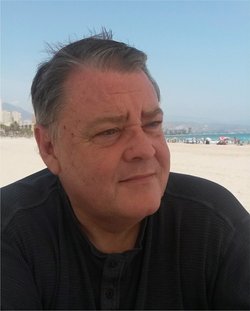
mark-donovanToday’s guest is Mark Donovan , author of Waterkill, a book I recently reviewed here on LWI as well as Amazon and Goodreads. He currently resides in New Hampshire where he has spent his career working in various high tech engineering and marketing positions. He holds degrees in electrical engineering and business, and is a private pilot.

How much of Waterkill was influenced by the headlines?

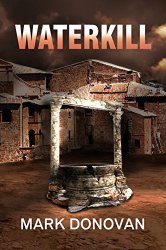
The headlines of 2015/2016 did not influence me to write Waterkill. It was, however, the headlines from 2014 that compelled me to finish the book. I began writing Waterkill in November, 2013 and then after writing around 25K words I shelved it in January 2014. I Waterkilldidn’t go back to it for another 10 months and completed the first draft in April of 2015. It was the Ebola outbreak that hit the United States and Europe in late 2014 that caused me to decide to complete Waterkill. It was during this time that I realized how feckless our federal and state governments were in dealing with a major epidemic. This fact, along with the constant and real threat of radical Islamic terrorism, made me realize that I needed to complete Waterkill. I felt compelled to raise public awareness to the vulnerability of a biological terrorist attack, and that our public water supplies are soft targets.

I was able to read your first version of Waterkill and then some of your professionally edited version. You’ve done your work justice by doing so. What brought about your having the book edited?

I had half a dozen close friends and family review my “final” draft version of Waterkill and their editorial comments and reviews were benign and very positive. So, I decided to release the book. The first “official” reviews that came in on Amazon, Barnes & Noble and Goodreads were also very positive. However, as time went on, and the reviews continued to come in, I began to see comments about the book needing some professional editing. So rather than continue to see the book take negative hits, I got proactive and began searching for an editor. After about a week I found a person who had been an editor for the past 25 years and had an impressive resume. I commissioned her immediately to do a Line-Edit and she did a great job, albeit I had a bit of a hard time at first accepting her reduction of the word count by 15%. In the end, after reading her completed work, I had to admit the book was much crisper and to the point. She also gave me a great deal of constructive advice for my next book. One important nugget of advice she gave me was to try to keep one point of view throughout the book. “No head hopping” was her constant reminder to me.

What was researching for the book like? You go into quite a bit of detail as far as geography for certain locations as well as some military weapons.

I’ve spent over 30 years in high tech as an electrical design engineer and product marketing manager. Along the way, I’ve designed or defined radar systems, infrared missile guidance seekers, telecom and datacom equipment and semiconductors, advanced computers that went on the space shuttle, and for the past 7 years, magnetic sensor semiconductors that are used in robotics, automotive and industrial markets. So from this background it was easy for me to write about the surveillance and weapon technology in Waterkill.Mark Donovan image

From the geographical perspective, I have traveled far and wide throughout the world during my career, including North America, Europe and Asia. In addition, I was able to interview my parents who spent nearly 10 years in Saudi Arabia, including 3 years living near the Yemen border to get the perspective on the culture, geography and people from that area.

What authors do you think have influenced your style of writing?

When I decided to begin writing the “Dave Henson” series I wanted to write books that were akin to Clive Cussler, but instead of an ocean/marine background theme, I chose to focus mine on technology and aviation since I have a passion for both. So, Clive Cussler novels certainly influenced me.

Michael Crichton, Ayn Rand and Wilbur Smith have also influenced my writing style. With Michael Crichton and Ayn Rand it’s the technology and willingness to be politically incorrect with the Zeitgeist of the day that inspires me to write. Both told compelling stories that also had messages that went against the grain of the prevailing political winds.  With Wilbur Smith, it’s his human rawness of both good and evil, along with his excellent storytelling, that influence my writing style.

Why a water based bioterrorist threat?

Today when we think of terrorism attacks we normally think of airplane hijackings or bombings and mass murder with semi-automatics. I wanted to make people aware that there are other ways that terrorists can attack, and that it can be fairly sophisticated. Many of the radical Islamic terrorists are well educated people, who have engineering degrees, and I might add provided by the United States College and University systems. Water is our most valuable resource and critical for our survival. It is also a commodity that many of us take for granted and that is also easily accessible to those who want to harm it.

What is your experience with Islam? I ask because there are times you do show a good knowledge during the story. I know because I had several Muslims work for me.

I have worked with many Islamic people over the years due to my high-tech background. Some have been, and are, good friends of mine. This is why I tried to be fair in my book to the Islamic religion, but not hesitating to point out that radical Islamic terrorism is a real problem that must be faced and dealt with. As I also mentioned, I had my parents perspective of them living nearly a decade in Saudi Arabia.

How much of the tech in the book is possible?

Much of it is possible. The work in Nanotechnology, and MEMs technology, has just been astounding over the past decade. Case in point, the drone technology that we have today. Some military drones are as small as a housefly today, and there are companies/research institutions that have demonstrated swarm behavior with these micro-drones. The nano-dust that is mentioned in this book is still for the most part theoretical, however, due to nano-material science I believe we are only a decade away from realizing this concept. Michael Creighton discussed this technology in his book PREY that he released in 2002.

You handle Islam very carefully in Waterkill. Some authors could have made it a one-sided affair but you took the time to show the degrees of the faith. Was this a conscious effort or did the book lead you in that direction?

I made a conscious effort to be fair and not to confuse individuals with twisted minds, for whatever reason, and a population of 1.2B people that practices Islam, most of which is comprised of peaceful people.

There is a quote you use at the end of the book, where did you get that from? (Meaning, did a friend lead you to it, did you stumble on it. Something like that. And I’m talking about the Muhammad quote.)

Through my research on Islam I stumbled upon that phrase/quote and felt it had a great deal of relevant meaning to my story.

What are you working on now?

I am working on a new book with the working title “ROBOGOD”. It is a departure from my “Dave Henson” series and delves into the world of robots and how they will impact our lives both professionally and personally in the not-so-distant future. In my current day job I am heavily involved in the robotic industry, and the stuff that I see coming is exciting from a technologist perspective, but also very frightening from a human and ethicist. The book raises questions on how ready the human race is prepared to work and live with robots that look and act very similar to humans. See an article that I recently had published in RoboticTrends.com on the topic of robots: http://www.roboticstrends.com/article/the_role_of_magnetic_position_sensors_in_robots_and_the_iort

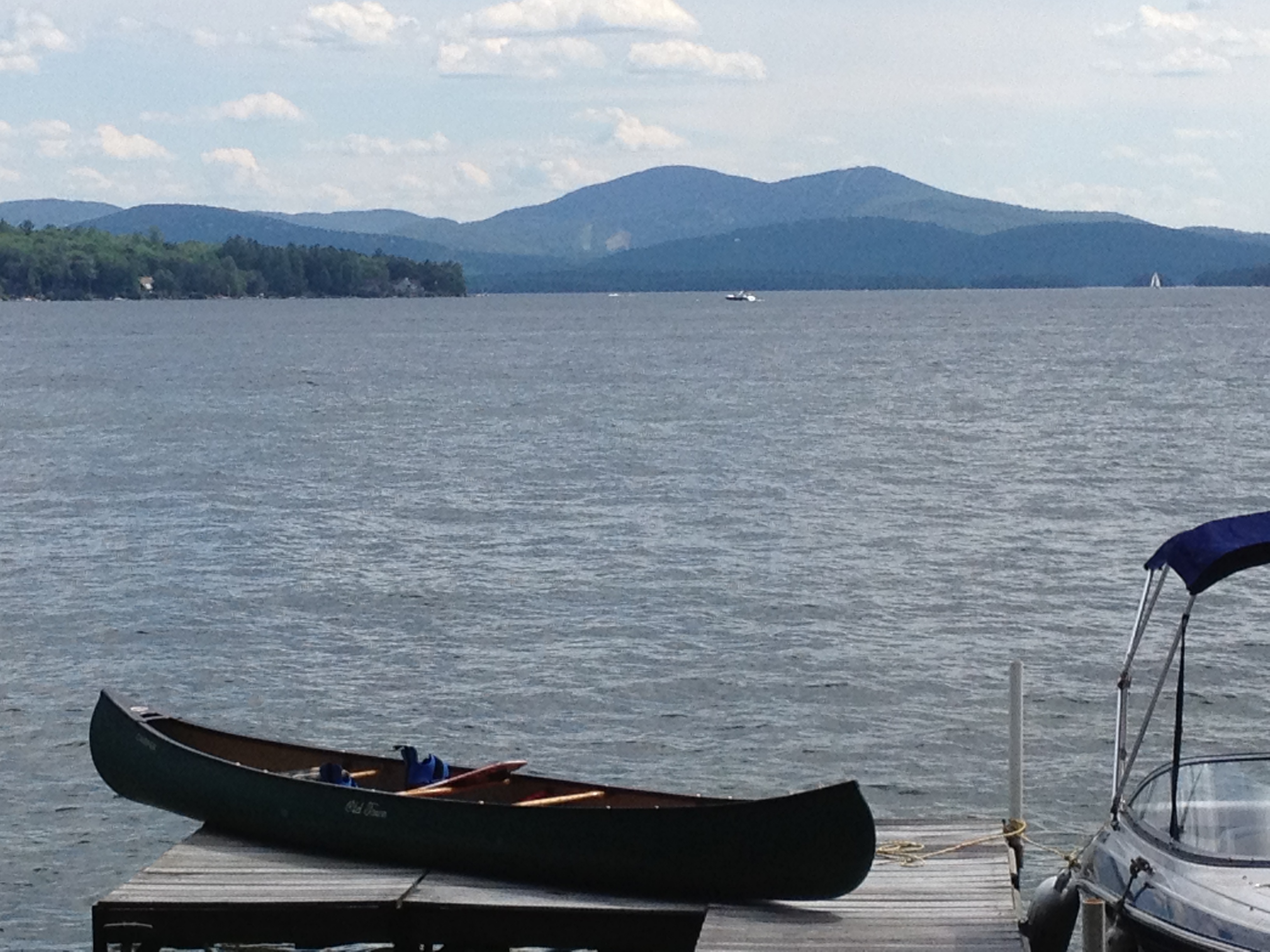
Mark Donovan's Lake View imageWhat do you do for fun?

I love to fly, read, hike and be with my family. I am fortunate enough to live on the shores of Lake Winnipesaukee in central New Hampshire where it allows me to do all these things.

What authors do you read?

As previously mentioned my writing has been influenced by reading the works of Clive Cussler, Wilbur Smith, Ayn Rand and Michael Creighton. However, my reading is quite eclectic. For example I love reading Lee Child, Ted Bell, and James Patterson. However, I just finished reading the Great Gatsby from F. Scott Fitzgerald. I remember reading the book in high school, and saw it a couple of weeks ago just before I left for a job trip. So I grabbed it and read it on the plane.

Give us one word to describe your book.

Techno-thriller.

What’s your favorite word and why?

My favorite word is “Do”. I have always been a big proponent of personally doing things rather than just thinking about doing them or watching others do something, e.g. laying on a sofa and watching a sporting event rather than playing the sport yourself. Life is too short to just dream and think, or watch others live life, but never personally do something big yourself.

Get Waterkill at:

amazon logo with link


Connect with Mark at:

facebook logo with linkgoodreads logotwitter logoAuthor Site Image with Link

An Interview with Kate Frost of Beneath the Apple Blossom.

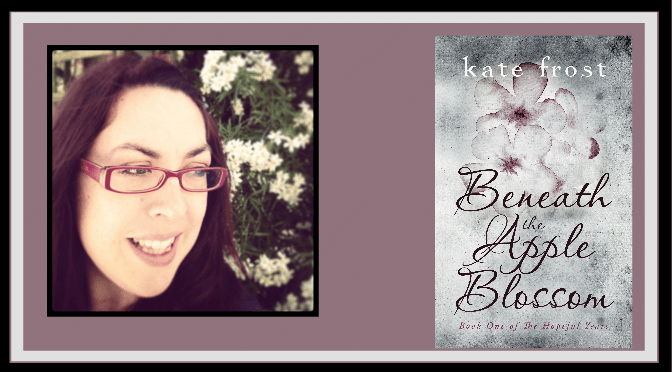
Kate-FrostToday’s special guest is Kate Frost, a UK author with a personal story to share.

Where do you hail from?

Bristol, a city in the south west of England that’s wonderfully cosmopolitan with lots going on, yet also within easy reach of countryside and the coast. I’ve always lived here apart from three years spent at university in Aberystwyth, a gorgeous seaside town in Wales.

Who are the authors that most inspired you to become a writer, or that you think influence your writing style?

It was the books I read in my childhood that inspired me to become a writer – authors like Roald Dahl, J.R.R. Tolkien and Arthur Ransome. I loved the way they could transport me to another world, and as I had a vivid imagination anyway, together the two things just clicked.

I imagine you get asked this a lot, but your book, Beneath the Apple Kate Frost FamilyBlossom, covers many of the stages of young 30 something women’s lives, how much for your life or those around you did you pull from?

Certainly friends who know me well will understand how my life has influenced this book. I wrote Beneath the Apple Blossom as a direct result of having fertility treatment, so the emotions within the book and the actual experience of undergoing treatment are true to life, yet the characters and their individual experiences are fictional. I had toyed with writing a memoir but decided what I went through was too personal to share, so I thought about turning it into a novel instead – that’s when the characters of Pippa, Georgie, Sienna and Connie were born. I was inspired by the online friendships (and the one in real life) I made via the fertility centre forum I was a part of during four cycles of fertility treatment, and that led to the relationship Pippa and Connie have in the book. Thirty-something women are interesting to write about as it seems to be an age when there’s a lot going on, whether that be the decision to have babies or not, relationship struggles, infertility concerns or career worries.    

Beneath the Apple BlossomWhat’s the significance of the title of the book?

There are two pivotal scenes that take place literally beneath an apple blossom, which I won’t describe as it will give too much away. Apart from those two scenes the reason behind the title is the idea of an apple tree in bloom being so beautiful and full of life compared to the dark, tangled mass of roots below ground. Often what we see on the surface of a person’s life is completely different to the turmoil they’re going through beneath the surface. 

What genre do you think your book falls into?

Contemporary women’s fiction – although that’s a very broad term. Family life and women’s literary fiction are sub-genres it could slot into quite well.

Tell our readers a little about Beneath the Apple Blossom.

In a nutshell it’s about four women, two longing to have a baby, two desperate to not be pregnant, and how they struggle with the choices they’ve made and the hand that life’s dealt them.

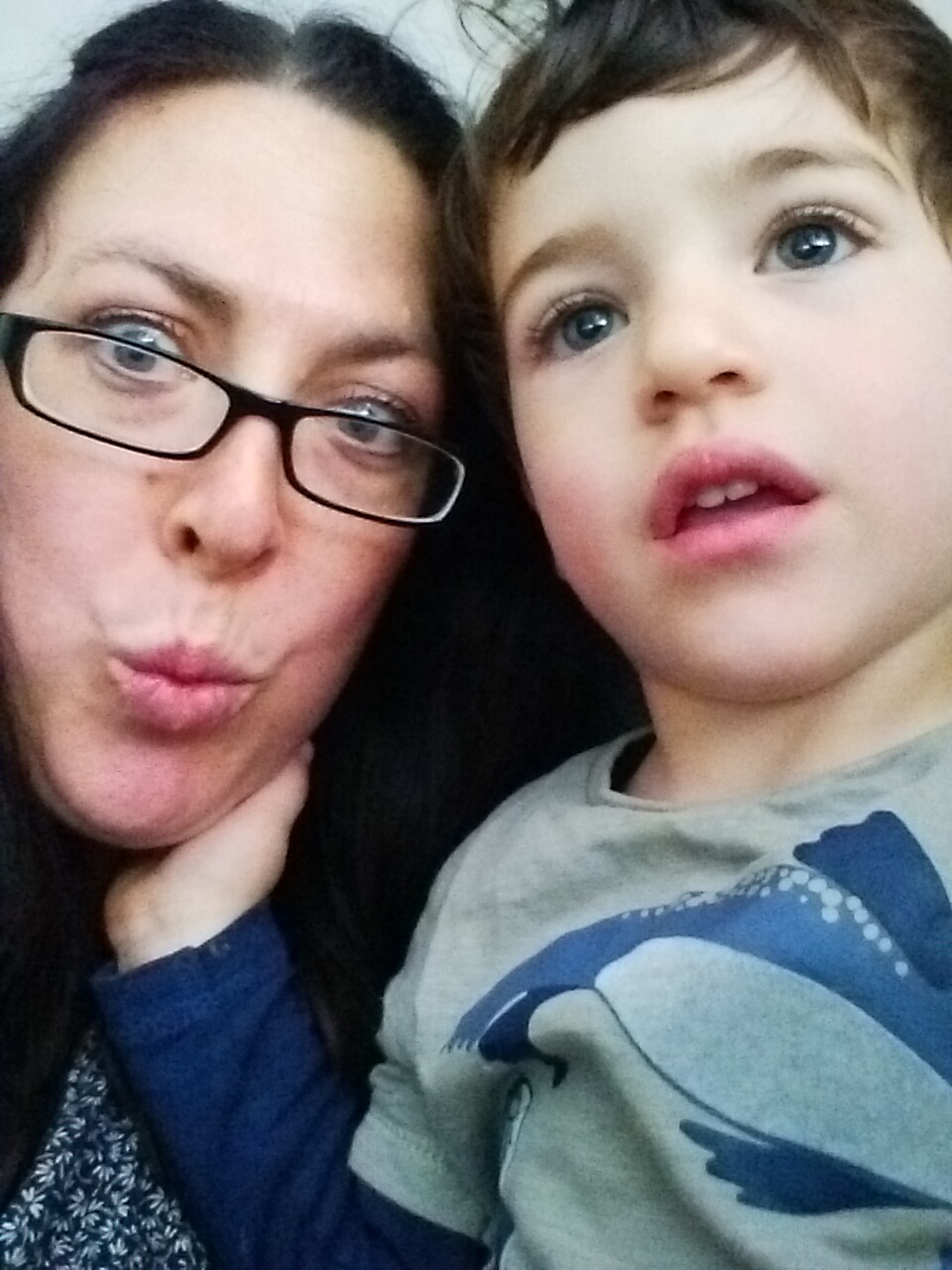
Could you have written this book before your son came along?Kate and Leo

Absolutely not. The core idea of this book was a direct result of having undergone four rounds of fertility treatment and the highs and lows that went hand in hand with it. Clearly we got lucky in the end but that was after four years of heartache and despair. As a writer it was all emotional fuel for a novel (not that I was thinking like that at the time!) – infertility, miscarriage, pregnancy and birth. Although the book is fictional it helped to draw upon my own experience of these things.  

How do you think writing for magazines has helped your novel writing?

It’s helped by giving me the mindset of working to a deadline. Particularly with self-publishing it’s easy to let things slip and put things off, so I write novels the way I would write an article for a magazine and set myself a deadline and stick to it. 

The Butterfly StormTell us about your previous book The Butterfly Storm.

It’s quite different to Beneath the Apple Blossom, both in the way it’s written and the subject matter, although there are common themes such as family, friendship and impending motherhood. At its heart is a love story with Sophie Keech escaping from her fiancé and overbearing mother-in-law-to-be in Greece, back to the beautiful north Norfolk coast in the UK when her estranged Mum is injured in an accident. It then follows her physical and emotional journey to discover who she is, where she belongs and who she loves. I published it in 2013 and it’s done really well, featuring in Amazon’s Movers and Shakers chart on more than one occasion and making it into the top five in Literary Fiction and Women’s Literary Fiction categories.

What are you currently working on and why?

I’m working on a lot of things! I’m writing the second book in The Hopeful Years series that follows Beneath the Apple Blossom and Connie’s story in Tanzania and Zanzibar. I’m also halfway through writing the second book of a time-travel adventure trilogy for 9-12 year-olds. Into the Past (Time Shifters Book One) is going to be published in October, so it’s a busy year. 

With your being so accident prone, aren’t you concerned about indulging in your cooking obsession?

Ha, yes! I seem to be okay cooking and haven’t had too many accidents, save a couple of minor scalds. I think it’s the fact that I’m pretty unstable on my feet that’s the issue. It’s just as well that we don’t get much snow in the UK as I cannot walk on ice and look like some crazy adult-sized baby learning to walk when I do.

How did end up with your publisher, Lemon Tree Press?

Ah well, Lemon Tree Press is actually my publishing name. Instead of publishing under ‘Kate Frost’ I’ve

effectively set up my own publishing company under which I’ve bought my ISBNs and will publish my books.

What advice to you have for authors out there looking to find a publisher?

Persevere and make your book as good as it can be. I got very close to getting both an agent and a publisher but neither worked out in the end. I personally didn’t persevere with finding a publisher and instead took things into my own hands and self-published. I haven’t looked back. 

Finally, what one word describes your book?

Emotional.

Get Kate’s Next Big Success at:

amazon logo with linkamazon uk logo with linkcreate space logo with link

Connect with Kate:

facebook logo with linkPinterest Logo with Linktwitter logo

#BookReview of Blind Thrust by @SamMarquisBooks

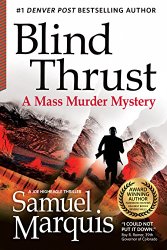
Blind Thrust by Samuel Marquis Cover imageBlind Thrust

by Samuel Marquis

Fiction: Thriller/Suspense/Environmental/Action. 307 Pages (PRINT). Mount Sopris Publishing (October 1, 2015)

five gold stars image

Author Biography

Samuel Marquis is a bestselling, award-winning suspense author. His books include “The Slush Pile Brigade,” “Blind Thrust,” “The Coalition,” and “Bodyguard of Deception.” He works by day as a VP–Hydrogeologist with an environmental firm in Boulder, Colorado, and by night as a spinner of historical and modern suspense yarns. He holds a Master of Science degree in Geology, is a Registered Professional Geologist in eleven states, and is a recognized expert in groundwater contaminant hydrogeology, having served as a hydrogeologic expert witness in several class-action litigation cases.

Book Description

Blind Thrust by Samuel Marquis is a suspense/thriller set in Colorado that paints a picture of what could happen when greed overrides common sense. That’s a simple way of saying it. But then, I’m a simple speaking kind of guy. Environmental Geologist Joseph Higheagle has a problem, keep his mouth shut and keep a nice paying job, or go with his conscience and do what’s right for thousands of people.

The choice might sound easy but when you factor in a billionaire bad guy, corrupt senators, evil security bad boys and a hired assassin sent to shut you up, you might think twice, at least.

Book Review

In this first Joseph Higheagle adventure Sam Marquis does a great job introducing the core of the main character, as well as his grandfather/father figure Chief John Higheagle, a retired lawyer who now lives with him and acts as his sounding board when the young Higheagle is faced with moral forks in the road.

Combine that with some great supporting characters like the EPA agent Nina Curry, a romantic interest for HIgheagle, the younger one, not the old chief, and the USGS director Nickerson and you have a great story that’s well developed and fast paced.

You might not think an environmental thriller would be very thrilling, but Marquis puts his years of experience as a geologist to work and it is very apparent in the technical speak that’s in the book. Sometimes that sort of becomes a bit heavy and repetitive but I see it as being legitimate to the conversations occurring.

One thing I like about the antagonists in a Marquis novel is that they are not one dimensional. You almost see the humanity side of them and in Blind Thrust it’s very apparent. Charles Quantrill is a powerful man that ends up in a situation that he never saw coming, but that doesn’t make it any better nor does it make him any less guilty.

I read this one in about two days. It’s that fast paced and I think you’ll enjoy it.

Review by: Ronovan Hester

Get Blind Thrust @:

indie bound logobarnes & noble logoapple logokobo logoamazon logo

Connect With Sam @:
Author Site Image with Link facebook logo goodreads logo google+ logo linkedin logo twitter logo

#BookReview of The Rapture: Misunderstood by @JERoyle

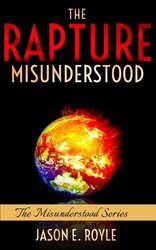
the-rapture-misunderstoodThe Rapture: Misunderstood

by Jason E. Royle

Fiction/Non-Fiction: Spirituality/Christian/Eschatology/Religious Studies & Reference. 86 Pages Print. CreateSpace Independent Publishing Platform (June 30, 2016)

five gold stars image

Author Biography

Jason E. Royle holds a Doctorate in Ministry from Sewanee: University of the South School of Theology and is the author of Judas: Hero Misunderstood as well as Jesus vs. Santa: Christmas Misunderstood. Writing, for Jason, is a way to express the ongoingJudas Hero Misunderstood story of theology. With every book or article, he hopes readers get a sense of the complexity of God and the necessity of faith. Captivated by the spiritual component of life, Jason loves to read everything from the Greek classics to the Sunday comics. While serving as pastor of a congregation near Memphis, TN, Jason wrote a weekly column in a local newspaper called Sermon in a Nutshell and has had devotions published in The Secret Place, among others. Today he lives with his beautiful wife and children in Schaefferstown, PA, where he serves as the pastor of St. Paul’s United Church of Christ.

Book Review

The Rapture: Misunderstood is the third in Royle’s Misunderstood series, where he takes a well known aspect of Christianity and breaks it down into fact from fiction. This time around Royle divides the book into two parts; one a short story to help ease the reader into the subject and the second touches on some basic scripture and doctrine from four different views of the Rapture itself amongst the Christian community.

The opening story is about 53 pages long and tells the story of a pastor who wants to bring about the Rapture sooner than later. We follow him and his five followers on their journey to achieve their goal and learn along the way. At each step of the journey we learn a truth and then see the pastor make a decision. Ultimately the reward is in his grasp. What does he do next? What he does may surprise some, may not others, but ultimately we learn a lesson straight from the Bible itself.

After the story you get the views of four views on the end times based on the interpretation of scripture. Royle states from the beginning this is not an in depth look at end times prophecy, it would take more than the 23 pages given to it here. His goal to give you a good starting place and an understanding of where the four thoughts are coming from. He’s also quick to note many of us are not entirely one or the other view but instead a mix and match set. Royle’s style and approach has always been open and welcoming to his readers. He’s a good first step in any journey to discovery you may wish to take. He also provides a list of books at the end of the book to further your reading and understanding.

by: Ronovan Hester

Get The Rapture: Misunderstood and other Jason Royle books at:

amazon logo with link

Connect with Jason Royle at:

twitter logo


Save

New release: What Tim Knows, and other stories by Wendy Janes

OLYMPUS DIGITAL CAMERA

A gallery-owner’s quest for beauty; a dancer in danger; a new mother struggling to cope with her baby; a sculptor’s search for inspiration; a teenager longing to live in the perfect family; a young boy lost and confused by the rules of life that everyone else seems to understand.

Six stand-alone short stories, spanning five decades. Each capturing a significant moment in the life of a different character.

Separate lives linked in subtle ways.

Gerald

In What Tim Knows, and other stories, six supporting characters from my novel What Jennifer Knows share a pivotal event in their lives. Jennifer appears in each story, aging gracefully from student to grandmother.

Through the life experiences of Rollo, Cynthia, Sue, Gerald, Blythe and Tim, I explore a variety of themes, including, creativity, relationships, motherhood, marriage, adolescence and childhood.

Gerald wins my prize for the most amusing character in this collection.

He’s an English eccentric, rather self-centred and self-opinionated, and very witty. Even after I’ve finished writing about Gerald, I only need to think of him and he makes me laugh.

The inspiration for Gerald’s story came from numerous excellent writing blogs that give information about what to do, or rather what not to do, if you receive a critical review. Authors may recognise some of the sensible advice that these blogs provide through the advice that Jennifer attempts to give her husband.

When the story opens, Gerald has been a successful sculptor for many years. His confidence is high, but when he comes across a very critical review of his recent output, he fails to cope with it. I’d like to think that anyone who has received a negative review for something they have created, will find some catharsis in Gerald’s raw response.

While the next scene takes Gerald to a dark place, I hope that the resolution to the story will bring a smile to readers’ faces.

Author bio:

Wendy Janes spends her time writing novels and short stories,w4400 running her freelance proofreading business and volunteering for The National Autistic Society’s Education Rights Service. Her first solo novel, What Jennifer Knows, was published in 2015, and she has recently released a collection of short stories entitled What Tim Knows, and other stories. You can connect with Wendy online and discover more about her writing via Twitter, her Facebook author page, and Amazon author pages (UK/US).

Links to What Tim Knows, and other stories on Amazon:

https://www.amazon.co.uk/What-Tim-Knows-other-stories-ebook/dp/B01IKYOJLS

https://www.amazon.com/What-Tim-Knows-other-stories-ebook/dp/B01IKYOJLS

#BookReview of The Chip Maker by Bridgette L. Collins.

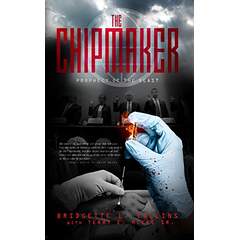
The Chip MakerThe Chip Maker: Prophecy of the Beast

by Bridgette L. Collins with Terry E. McGee Sr.

Fiction: Mystery/Suspense/Religious/Inspirational/Christian. 176 Pages Print. Just In Time Publishing (May 9, 2016)

4_stars_gold

Author Biography

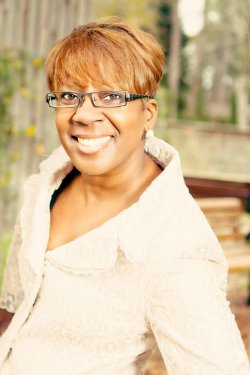
Fitness coach Bridgette L. Collins is the owner of Total Innovative Wellness Solutions, LLC, a consulting firm that provides individuals and organizations with strategic solutions for implementing and sustaining healthy lifestyle habits. Through MAC Fitness and Origins Bridgette CollinsPublishing Company, subsidiaries of Total Innovative Wellness Solutions, LLC, she introduces innovative and creative resources for achieving well-being and physical fitness to help her clients gain traction on disease prevention and management. Coach Bridgette is also the author of Destined to Live Healthier and Imagine Living Healthier, which have educated and empowered many through the collection of fictional stories that tell of real life challenges with weight, health, work, marriage, and lack of self-love. She is also featured in The Ultimate Runner by Ultimate HCI Books, publisher of the Chicken Soup for the Soul series.

Book Review

The Chip Maker: Prophecy of the Beast is Christian Suspense novel by Bridgette L. Collins, author of Broken in Plain Sight: A Story of Truth, Healing, and Love. In The Chip Maker we see the story of several lives as they run parallel to each other during a time of what seems to be biblical prophecy coming true. World chaos, the mark of the beast, the antichrists, and more. Each person makes a choice that has a definite consequence and we see how the worst can be counted among the best. Using scripture, headlines, and real possibilities, the authors tell a convincing story of what could happen if people put their minds to it. A fast paced read, I read it in one day. The book starts off in the then present day, and then switches back to several months prior. I would have liked the reverse but the story was still a good read. Overall a realistic possibility if egos got out of hand, which we can see happening in the news even today. I recommend the book to people interested in biblical prophecy or even slightly techno thrillers. Even if you’re not into prophecy you’ll still enjoy the book as a world domination story.

By: Ronovan Hester

Get Chip Maker at:

amazon logo with link

Connect with Bridgette L. Collins at:

facebook logo with linktwitter logo

#BookReview of WOLF by @ProfKellyOliver.

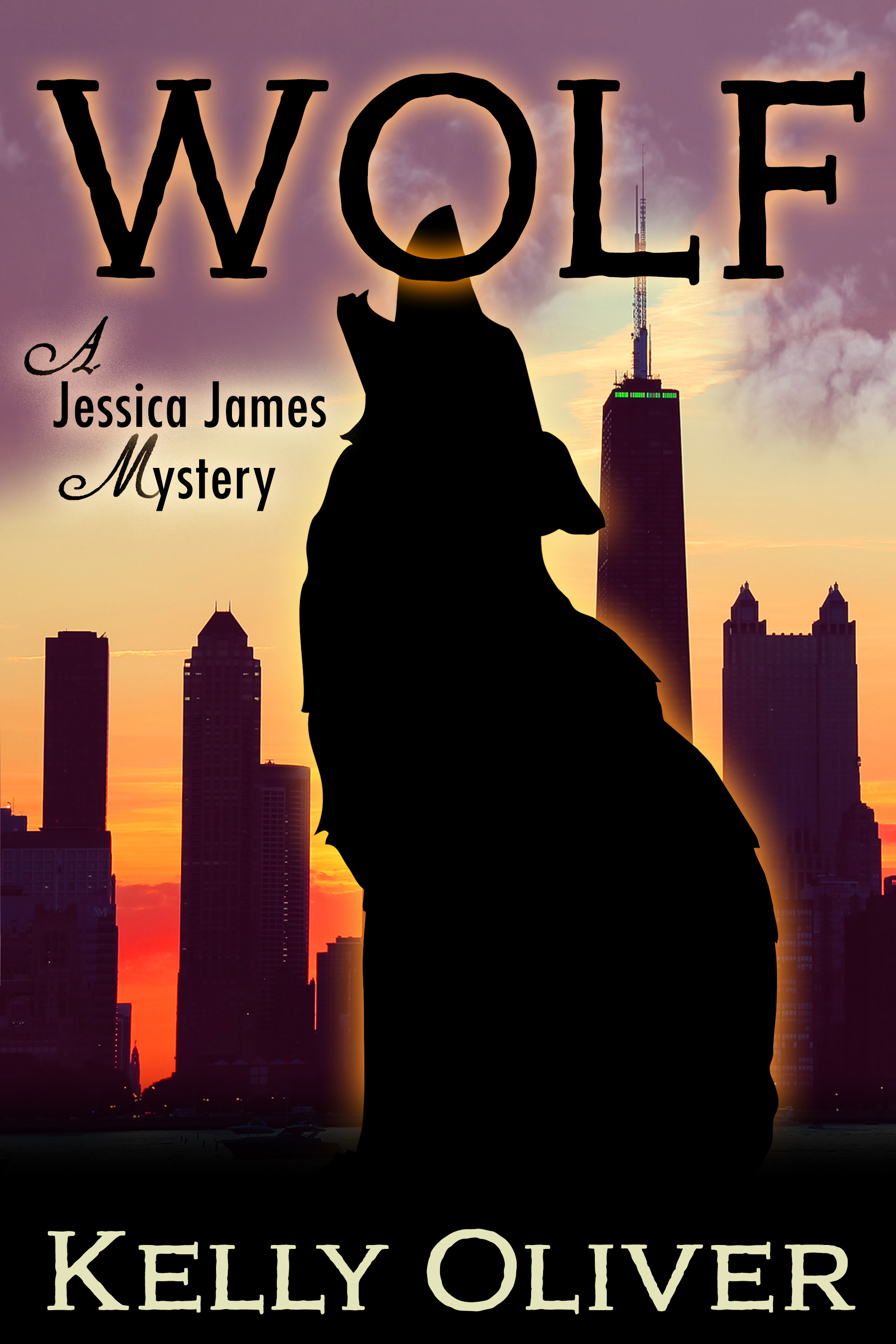
WOLF cover imageWOLF

by Kelly Oliver

Fiction: Mystery/Thriller/Suspense/Women Sleuths/New Adult. 316 Pages Print. Kaos Press (June 21, 2016)


4_stars_gold

Author Biography

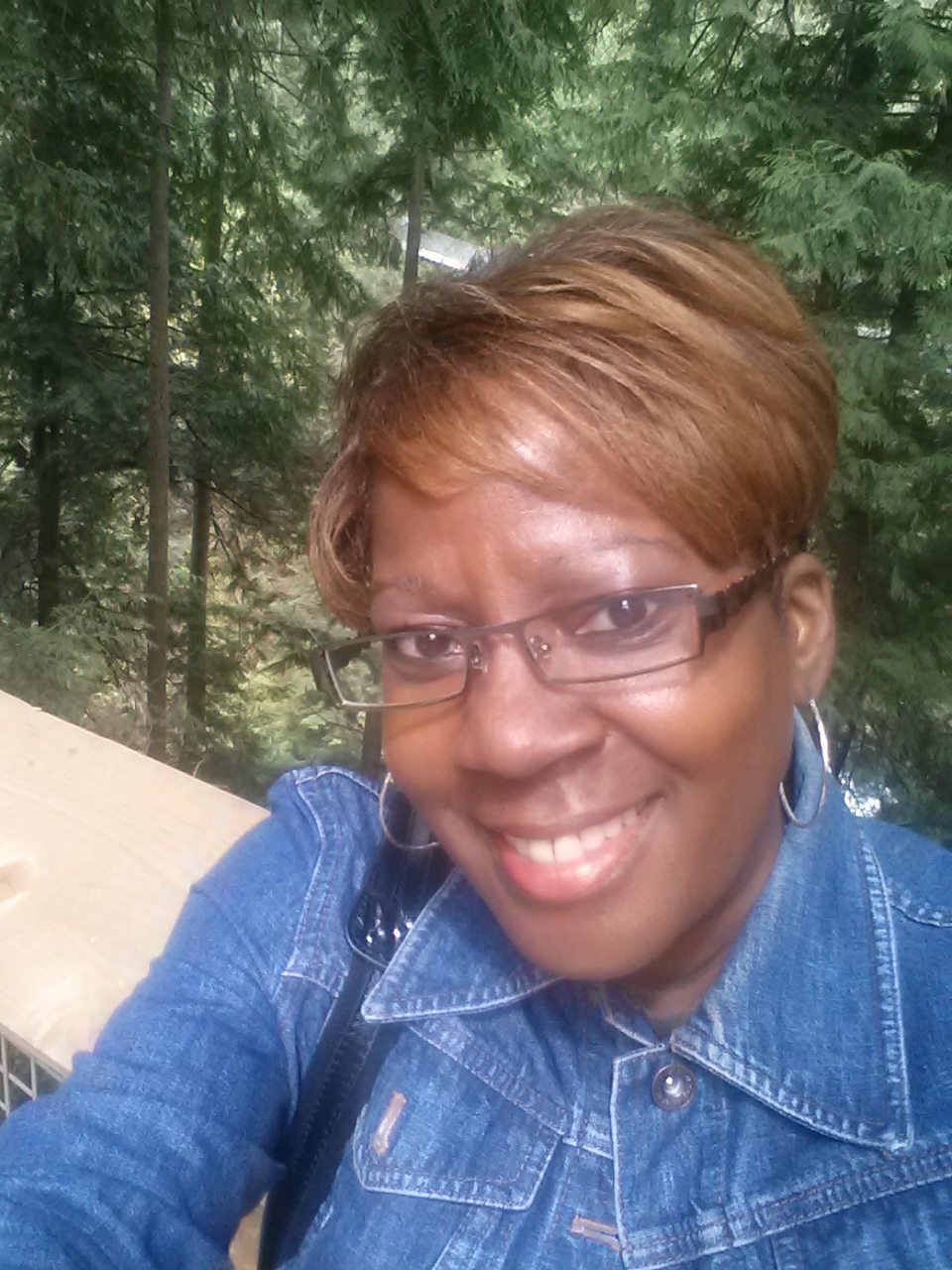
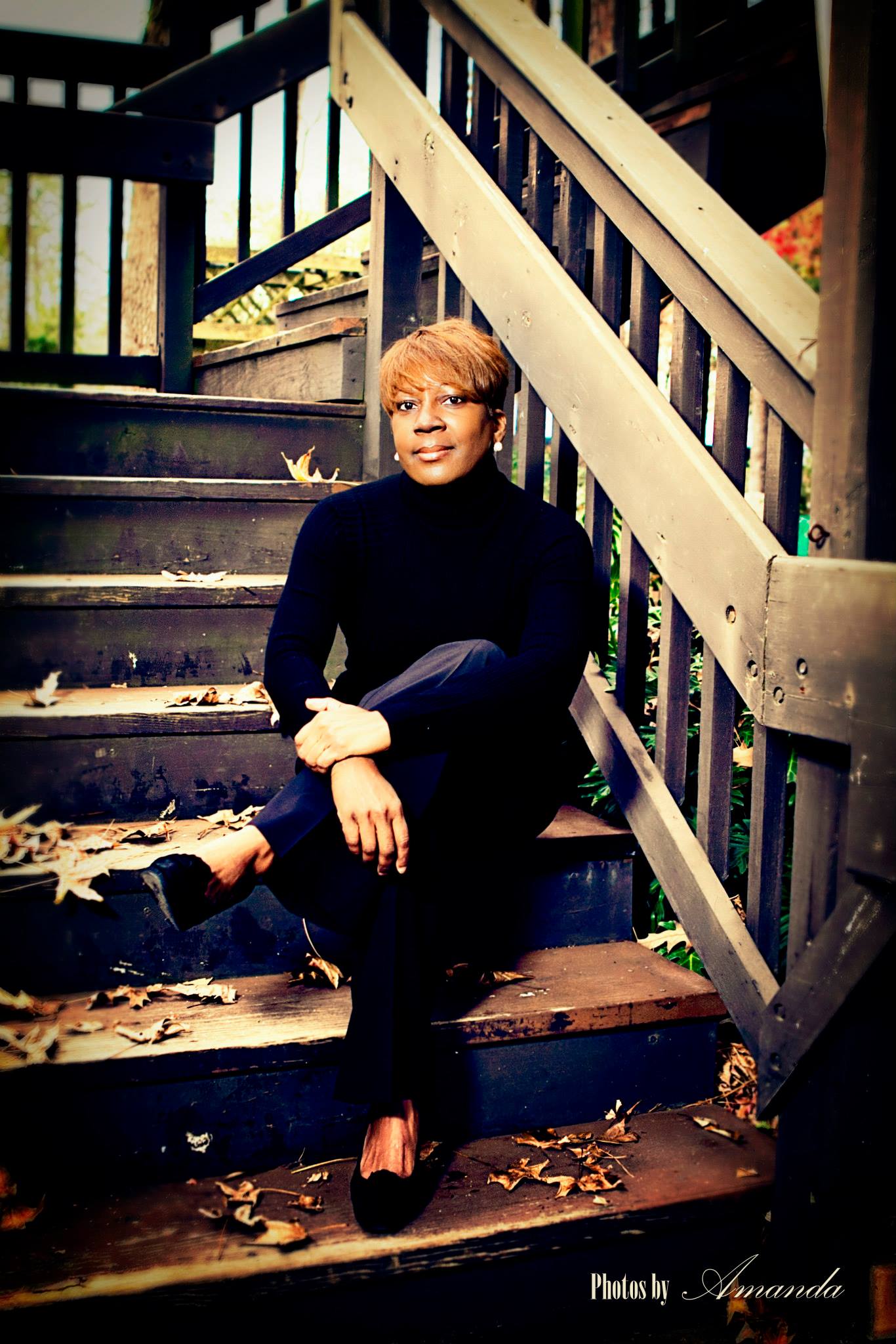
Kelly Oliver was born on July 28, 1958 in Spokane Washington. She graduated from Gonzaga University with honors in 1979 with a double major in philosophy and communications. She earned her Kelly Oliver ImagePh.D. from Northwestern University in philosophy in 1987. She has held teaching positions at various Universities, including George Washington University, University of Texas at Austin, and Stony Brook University. Currently, she is W. Alton Jones Professor of Philosophy at Vanderbilt University.
She has published books on topics ranging from family, love, war, and violence to affirmative action, Hollywood films, and animal rights.
She is the author of THE JESSICA JAMES COWGIRL PHILOSOPHER MYSTERY novels, including COYOTE and WOLF.

Book Review

WOLF is a new adult, mystery, thriller set on the campus of Northwestern University in Chicago, IL, with cowgirl philosopher Jessica James leading the ensemble cast of characters into the reasons for the death of her Philosophy Advisor, the theft of two masterpiece Russian impressionist paintings, and the source of date rape drugs on campus. Jessica must find her way through the twists and turns of her meager existence living in the attic of the philosophy department and falling for a billionaire professor in order to keep her dreams alive to get her degree and most of all to stay alive as someone is out to kill her.

WOLF, the first book in the Jessica James Mysteries series has a great cast of characters. The book has two stories in one, linked together as the book progresses. There is the series main character’s quest to continue her PhD program in Philosophy after the murder of her advisor, and then there is the life and death situation for Dmitry Durchenko, the Philosophy departments janitor who also happens to be the son of Russia’s most powerful mob boss. The two stories overlap through the Titular character, Wolf’s death and missing paintings hidden in his office.

You have everything from the cowgirl Jessica who wants to show the world that she can be a philosopher to Lolita Durchenko who looks like super model, rides a Harley and runs a high stakes poker game. Then you have the local Russian mob leader The Pope and the billionaire professor who comes to the rescue of Jessica after she’s been given a date rape drug. And there is a whole lot more. You cheer for Jessica to overcome the obstacles and her own knack for falling into bad situations. She has to be one of the most awkward young ladies around. She shouldn’t wear heels. Oliver balances the humorous moments of Jessica with the more serious story of Dmitry and his need to find his paintings or suffer the consequences at the hands of The Pope. Somehow through it all it comes together in the end. There are times you wonder how this whole thing is going to work out but ultimately it does.

WOLF is a fast paced and entertaining read. The first chapter was a bit slow for me, but once past that the author settled into the meat of the story and off you go on a joy ride. She handles a serious issue such as college campus date rape in a good manner and just how you would want it to be done. For someone so smart, Jessica can really be a bit out there at times under pressure. But I think that may add a bit of realism to it. Things happen. If you like fast paced and fun reads, this is for you. If you like mysteries and a good cast of characters, you’ve got it here.

By: Ronovan Hester

Get WOLF at:

amazon logo with link

Connect with Kelly Oliver:

facebook logo with linktwitter logoAuthor Site Image with Link


#BookReview of Waterkill by Mark Donovan.

WaterkillWaterkill

By Mark Donovan

Fiction: Mystery/Thriller/Suspense/Technothriller/Terrorism. 302 Pages Print. CreateSpace Independent Publishing Platform

4_stars_gold

Author Biography

Mark Donovan is the author of the thriller novels “Nano Surveillance” and “Waterkill”. He has also authored 32 eBooks and 2,000+ articles on a wide variety of home improvement topics through his website HomeAdditionPlus.com. Many of his articles are nationally syndicated. He currently resides in New Hampshire, where he has spent his career working in various high tech engineering and marketing positions. He has a Bachelor of Science degree in Electrical Engineering and an MBA, and holds a private pilot’s license, and seven U.S. patents associated with sensor and communication technologies.

BookReview

Waterkill is the second book in the Dave Henson series and a Terroristic TechnoThriller by Mark Donovan, author of Nano Surveillance, book 1 in the series. In Waterkill, we have Dave Henson going head to head with the Al-Qaeda terrorist Aref Zarin, a techno savvy villain with a new form of terror weapon that makes nuclear weapons obsolete. Along the way Henson runs into an old friend with a new mission and travels from Germany to Iran and around the world. All in an attempt to stop the deaths of over a million innocent people.

When Mark offered the book for review I couldn’t say no. It’s a paperback, not an ecopy and a thriller. How could I say no? The first chapters were a bit slow and hard for me to get into at first. So I stopped. I don’t force myself to read a book or it’ll be a bad review. Then I decided it was time to read and emailed Mark I was getting ready. He told me he had hired a professional editor who spent over a month editing the book and that thrilled me. I read the book, then looked at the edits and I have to say, it was money well spent and Mark has done his work justice.

The story is fast paced after the initial chapters setting up the story. You have the terrorists, the special forces teams, tech gadgets, the beautiful but not helpless damsel in distress. Did I mention gadgets? Mark brings some serious tech knowhow to the storyline. If these things exist, and I am not doubting some do, there is some seriously cool stuff going on in the world. Mark also does a good job of creating a sense of urgency in the story and an ending that just makes sense. He takes the hot topics of today and handles them very carefully and does a great job not overly sensationalizing them to get a cheap punch for his story. You learn a little about people in this book that may help open your eyes just a little bit.

Review by: Ronovan Hester

Get Waterkill at:

amazon logo with link

Connect with Mark at:

facebook logo with linkgoodreads logotwitter logoAuthor Site Image with Link

Interview with @NickyP_author of Horror, Vampires, & More.

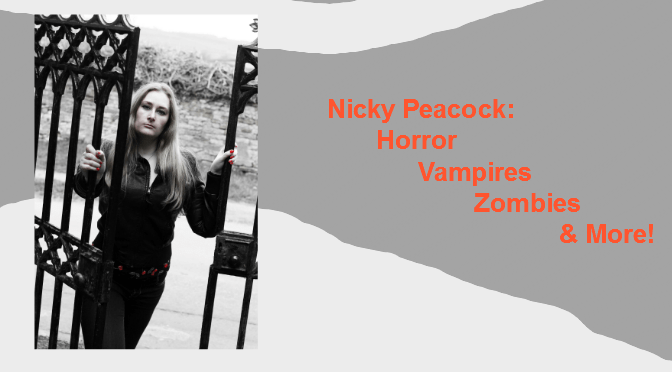
A UK lady with a knack for helping young authors while creating her Nicky Peacock Imageown series of books, Nicky Peacock.

Where do you hail from?

I come from a medium size town in the middle of England called Corby. It has a bit of a reputation as a place to live, but I love it. It’s close enough to beautiful wild countryside to appeal to my nature loving side and close enough to pretty decent shopping centers to appeal to my shopaholic side!

Who are the authors that most inspired you to become a writer, or that you think influence your writing style?

I think that most authors will influence your writing style – whether you want them to or not. Reading a broad range of genres and authors is a necessary part of writing. When I was younger, Poppy Z Brite was a big influence on my horror writing; somehow she made the grotesque beautiful. Anne Rice was definitely the writer that got me hooked on vampires and other monsters.

What’s your favorite word and why?

Supercalifragilisticexpialidocious… as it’s really quite atrocious 😉

Things readers may want to know, hmm, are you married?

I’m currently single. I’m pretty happy with it, although I certainly wouldn’t turn down a gorgeous man with a bunch of flowers and a box of chocolates at my door! It’s quite a hard life being an author. Most of us still have to work full time jobs, you know if you want those luxuries in life like food and shelter! So, once you try to squeeze in writing and have some semblance of a social life, well dating can kind of feel like an after-thought. Also, I’ve had some pretty dismal dates recently: One guy burst into tears over his ex, another talked all night about his dogs, but by far the worst was the guy, who after learning I was an author, decided he wanted something to eat…at home. He just left! 

How does working with young aspiring authors help your own writing?

Growing up in Corby, I didn’t have a mentor, or someone to look to, for my writing, so I decided that I would try to be that person for the next generation. Writing is hard, getting published is harder and being an author is the hardest of all. You have to not just produce work but have reasonable editing skills, marketing knowledge and time to spend on social media plus all the literary specific sites such as Goodreads and LibraryThing. Having someone who has been there and done all that can help make those jobs easier and less time consuming so that a budding writer’s desire to tell a good story isn’t consumed in the fires of work.

Lost In Wonderland imageTell us about your two series with Evernight Teen, Battle of the Undead and The Twisted and The Brave.

Battle of the Undead is a vampires VS zombies YA urban fantasy set at the start of the zombie uprising. Vampires, fearing the loss of their food supply (us) start to make plans to protect uninfected humans.

The Twisted and the Brave is a YA series that twists the themes of classic children’s books into contemporary, violent thrillers with a supernatural edge.

Being two different animals, which do you enjoy writing more, the anthologies or novels?

LOL, I’m not above saying that I want to sell books and make some money, and that only really comes from novels. Anthologies are great for a quick fix. Short stories are, well short and there are plenty of publishers out there putting out call-outs that writers can answer, but they’re not Battle Covers imagegoing to help boost that bank balance! I do enjoy a good challenge for a short story, but right now I’m focusing on the longer fiction.

Tell us how you get included in so many anthologies. I know some don’t know how to go about getting involved.

The website Duotrope, although you need to pay for it now, is a great investment for writers. It’s a complete database of publisher call-outs for anthologies and magazines. The best advice I can give is to stick to genres that you feel you can write well and don’t take on too much. There are always deadlines for these and part of the trick is picking what you can realistically do, rather than what you wish you could do.

Where can we find your most recent work, and what is your next piece coming out?

You can find my books on Amazon: http://www.amazon.com/Nicky-Peacock/e/B007UH2ACW/ref=sr_ntt_srch_lnk_1?qid=1467062178&sr=8-1

It’s a race at the moment because I’m currently working on both the last book of the Battle of the Undead series, Bad Karma and also the second in The Twisted and The Brave, The Assassin of Oz.

What’s your guilty pleasure movie that would surprise people, being that you are into the horror genre in writing?

Hmmmm, I do like a good superhero movie. I really enjoyed Deadpool and Antman, although they are quite acceptable within my genres. Although not a movie, at the moment I’m binge watching RuPaul’s Drag Race on Netflix – I love that show, it never fails to make me smile!

Thank you for having me on your site today, now I’ll sashay away…

You can get Nicky’s books at:

amazon uk logo with linkamazon logo with linkauthorgraph logo with link

Connect with Nicky at:

facebook logo with linkgoodreads logotumbler logo with linktwitter logo

Help an Indie Author out.

We have several authors that work here on LWI. We’re all Indie Authors and you know what that means. Out of our own pockets for everything.

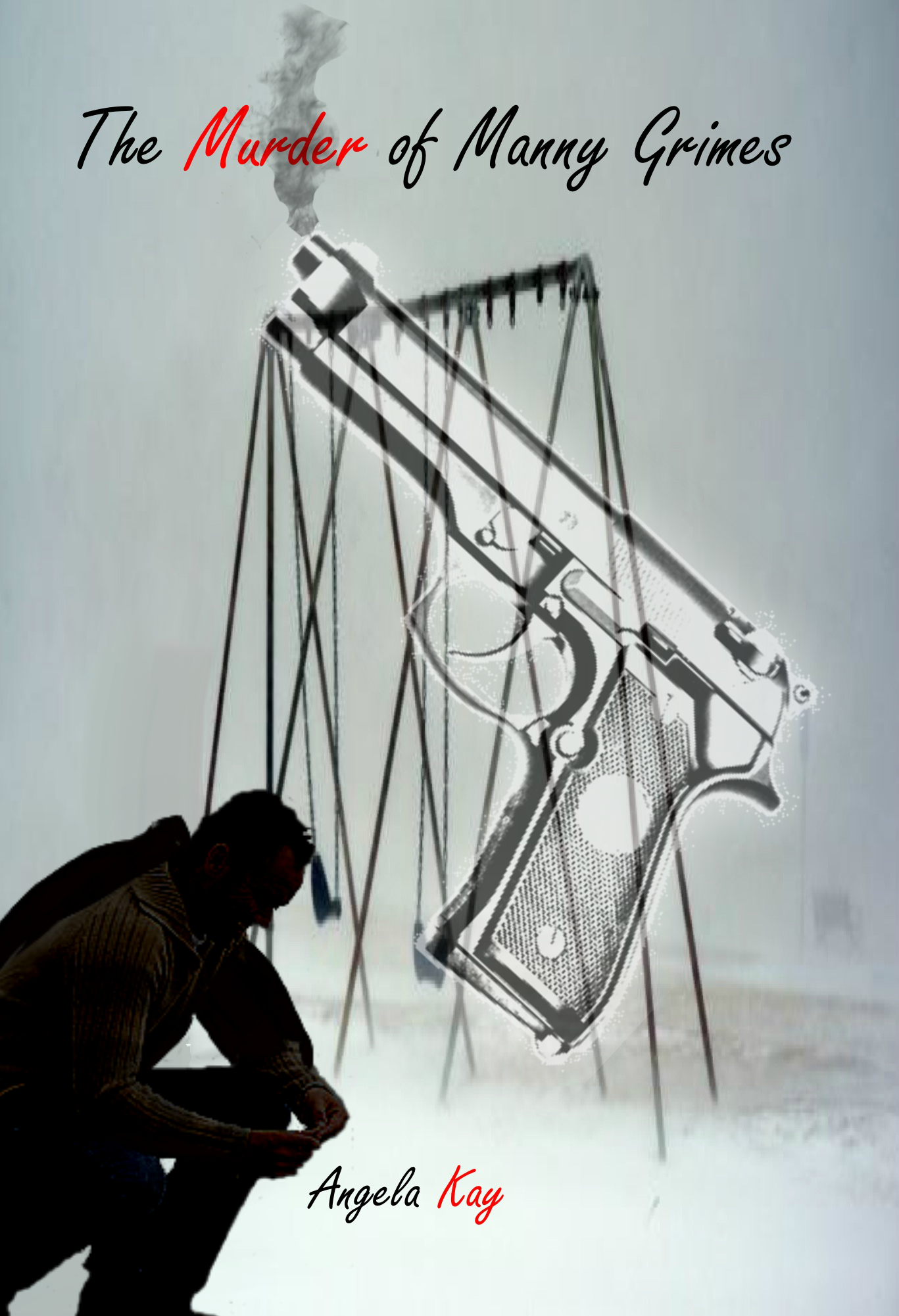
First time Author,  Angela Kay is trying to raise funds for her novel The Murder of Manny Grimes. But she’s doing something I’ve never seen before, although it’s probably been done. She’s giving away stuff at each level of donation.

Click the link to check it out and if you can’t donate at one of the levels, any amount helps. We all know that if everyone that saw this gave just a little then it would be done in no time.

You can see a mock up of her cover below.

Now back to editing her book.

Ronovan

https://www.gofundme.com/manny-grimes-novel

Manny Grimes Cover

Mysteries – Reader Survey!

If you haven’t answered the Survey Questions yet, we still need more responses. It doesn’t take long.

Here we are on LitWorldInterviews with our first of many Genre oriented surveys. The success of our previous survey “Why do people stop reading a book?” and the response in the comments prompted a more detailed evaluation of the topic.

Please reblog and share this with as many people as you can so we have a lot of responses to make the data we share as accurate as can be expected.

We need at least 100 responses or there’s no reason to post the results.

This month’s survey is the genre of Mystery.

Go back

Your message has been sent

Warning
Gender(required)
Warning
Warning
Do you like mystery series?(required)
Warning
Where do you get your books? (eBooks, Bookstore, online, etc.)(required)
Warning

Warning.

Thank you to the following 19 bloggers for making our previous survey such a success by reblogging the survey:

James Glenora

Aurora Jean Alexander

Juliette King

Stevie Turner

Linda G. Hill

Vanderso

Wendy Anne Darling

Adele Marie Park

Woebegone but Hopeful

Lori Carlson

Colleen Chesebro

E.S. Tyree

Ravenhawks’ Magazine

Sally G. Cronin

Gipsika

Tricia Drammeh

Susan Gutterman

Kate MacClelland

Jo Robinson


by Ronovan Hester

Enter your email address to subscribe to this blog and receive notifications of new posts by email.

 © Copyright-All rights reserved by LitWorldInterview.com 2016

The Dolan Girls by @SarahMallery1 #FREE!

SHARE THIS POST!

Starting today, 7/08/2016 through 7/12/2016 you can get

The Dolan Girls by S.R. Mallery

for

FREE!

“The Dolan Girls by S. R. Mallery has it all. Set in Nebraska during the 1800s, whorehouse madams, ladies of the night, a schoolmarm, a Pinkerton detective, a Shakespeare-quoting old coot, brutal outlaws, and a horse-wrangler fill out the cast of characters. Added to the mix are colorful descriptions of an 1856 land rush, Buffalo Bill and his Wild West Show, Annie Oakley, bank/train robberies, small town local politics, and of course, romance. Two, in fact!”

“The Dolan girls will pull at your heart, …”-5 Stars

“A great and exciting read. I always like a good first line.”-5 Stars

“Do you like westerns? Romances? Then The Dolan Girls is your book.”-4 Stars

https://www.amazon.com/Dolan-Girls-S-R-Mallery-ebook/dp/B018Y063XA?ie=UTF8&ref_=asap_bc

The Dolan Girls

Sarah Mallery

Al Dixon and The Real Pleasure in Life-#Interview-@PunctuationFace

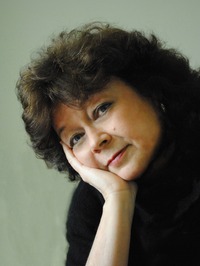
You are about to enter an interview like you’ve never seen before, so I thought I would give you  a heads up that you aren’t reading typos. What you see is how the author truly writes for the book of discussion. And honestly, there isn’t anything wrong with it. I’ve read his book, written this way, and you don’t even notice anything after a few pages.Al Dixon Image

Meet Al Dixon, who teaches English at The University of Georgia, my alma mater.

Can you explain what nonstandard English is to our readers? Maybe you could use it in your responses if you like.

it basicly means writing however you want, as long as people can understand you. if you wana use capital letters and apostrophes and spell gona “going to,” go for it. but dont act like evrybody else has to do it too. we say we need a writing standard in order to understand eachother, but this is an invented need. standard written english [ or standard rotten, as they call it in the novel ] is much more effectiv at marking people as different based on race, class, and education-level than it is at promoting clarity. this makes sense historicly: in almost all languages and cultures, the development of a written standard coincided with the rise of capitalism.

Okay, give us an example of some things, although you are doing it already.

lets say a student writes “Davids car” or “David car” instead of “David’s car,” or “I seen ” instead of “I saw,” or they use ironic colloquially instead of according to its dictionary definition [ english teachers especialy hate that one. ]  why is this wrong? the car belongs to david. seen and saw mean the same thing. ironic can mean suprizing, because thats how people use it now. whats not to understand?

In your opinion, if we can understand English however its written, then why the fuss over the details?

whether we realize it or not, educated people enforce language standards for the same reason the wealthy want to eliminate regulation and taxes to create a supposed “free market”–you workd hard to get on top, and you wana stay there. intrestingly, the people who claim not to be able to read the book or who call it distracting or who want to know why i write like that are english teachers, editors, writers, agents–people whose currency is the written word. other people rarely remark on it at all. if pressd, they say they thought it was fun or they stopt noticing it after awhile. so its kind of like reverse-discrimination for literacy.

to me, the real standard of language comes from the people who speak it. we celebrate variety in speech, in song, in film. why not in literture? can you imagine faulting robert johnson for saying “Me and the devil was walkin side-by-side,” instead of “The devil and I were walking…” or the sex pistols for shouting “I wanna destroy” instead of “I want to…” not only would this be preposterous, it would get in the way of artistic and cultural expression. to me, as an artist, its important to make people question why literture lags behind in this area.

also, i am obsessd with how people talk. not so much what they say as how they say it. the slang, the accents, the rhythm of their speech. sometimes they say probably, other times probly.  ‘have to’ and ‘hafta’ are not interchangeable. they mean basicly the same thing, but they are used in difrent contexts. in cases like these, the artificiality of standard language actualy gets in the way of writing.

—–

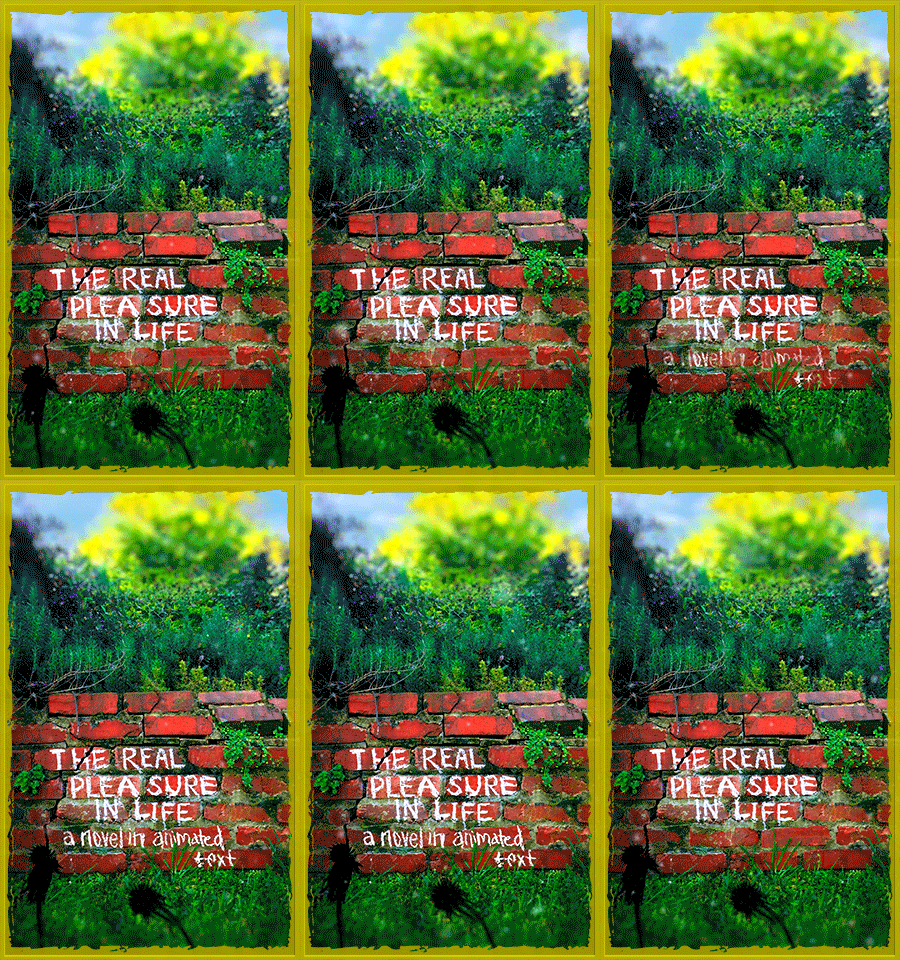
The Real Pleasure In LifeReading The Real Pleasure in Life, as far as the language and spelling are concerned were not a problems except when the letter x would normally be used, and that was on one occasion out of the entire book. The only thing that got to me at times was the animation of the text and only then when it came to the speed of some of the changes.

awsom! that means a lot coming from a fellow writer. its hard to get the speed of the animations perfect. i did a lot of testing and found zero consensus: people read in radicly difrent ways and at very difrent speeds. i spose the animations are sposeto fuck with you a little bit anyway, keep you from getting too comfterble. so its obviusly not for evrybody.

—–

How long have you been teaching at UGA?

i started at the university of georgia three years ago, but ive been teaching college english for about 15 years. ive taught at 6 difrent colleges, but UGA has the best students. those kids can write. when i went to school there, theyd let anybody in! not so now.

—–

Is nonstandard English something you promote in the classes you are involved with?

not directly, no. i’ll expand on that in a second. but first i’d like to give props to my students: i learnd more about writing from them than they learnd from me, i think. i useto get angry when they made run-on sentences or wrote your instead of you’re, think they were dumb, judge them, which is what we are traind to do as english teachers. but i came to realize that i like it–the slight deformity in the expected sequence of letters and punctuation produces an intresting reaction in my brain. when i was writing the real pleasure in life, i had to unlearn evrything i learnd about writing, and that allowd me to see what my students already knew: nonstandard isnt stupid, its awsom!

but to your question: in the classroom, i make a distinction between writing for school and personal or creative work. when students are in a college english class, they want access to “professional” language so they can advance in their fields. it is my responsibility to make sure they learn it. but at the beginning of the semester, i let them know that standard written english isn’t “real” or “correct” english, its just the english they need to know in order not to be judged negativly by potential employers and other people in positions of power. as a teacher, i need to show them these standards. but as an artist, i dont have to reinforce them. infact, its important not to.

—–

Another part of your book that stands out beyond the non-standard English is the animated text. Where did the idea of the animated text come from?

before i wrote this novel, i always tried to write the way your supposed to write, using difrent literary models like raymond carver or denis johnson or whoever was in best american short stories that year. when i started writing the real pleasure in life, it wasnt like that at all. i was chaneling something outside of myself, and in order to do it justice, i had to forget all the things i knew about writing fiction. early on, i realized the narrator was writing from a difrent place, and in that place you dont worry about language standards or a literary tone, you can spell a word two difrent ways in the same sentence, you can have fight scenes and power moves and projectile vomiting, you can be as absurd as you want! at some point, it occurd to me that this included making the words jump around the page and knock eachother over. luckily i had nothing better to do with the next five years of my life, and i’m friends with some brilliant programers who were generous with their time.

—–

Where did the idea for The Real Pleasure In Life come from? By that I mean the story itself.

it was a waking dream–it just started coming one summer when i fortunately was not teaching. i wrote all the raw material in 5 weeks–hundreds and hundreds of pages which i used only a fraction of. i wrote constantly, 16 hours a day, sometimes more. i couldnt stop. i didnt think at all, i just put down the stories and the voices that were in my head–my friends, athens, burning man, music, philosophy, literture. one of my favrite lines in all of literture is the last sentence of flannery o’connors story ‘a good man is hard to find’:   “Shut up, Bobby Lee,” The Misfit said. “It’s no real pleasure in life.”  i always wanted to write a book about that line, as a way of trying to understand it. but evrytime i tried to write it, it came out false. it was only when i was well into writing this novel that i realized i was actualy doing it. on accident. or out of necessity.

—–

Being from Athens myself, the way you describe things is very much dead on. I don’t know the late night scene so much, but I know it goes on and can get wild. I’ve been from one bar to another and then to an apartment more crowded than the bar. How much of the atmosphere of the story is from personal experience and how much from conversations with friends or acquaintances?

almost all of it is true, with only slight exaggerations. all the characters except claire are real people, much of the dialog is taken word-for-word from their mouths. sometimes people think the beginning of the novel, the domestic part which is “realistic,” is based on fact, and the rest of it is my depraved imagination. but the opposit is actualy true. the shit that happens in athens, i couldnt make that up. i hafta make sure my mother understands this before she reads it, because if she thinks all that came from inside my brain, she will be certain she faild as a parent.

—–

What is the meaning of life?

immersing ourselvs in life, the connections we make with eachother and the world. the Misfit was right, its no real pleasure in life. that useto terrify me, but now i see the wisdom in it. only when i learnd to accept this could i move on to the important stuff.

——-

What do you think the reception of the book will be?

i imagine it will mostly be ignored. the kind of people who tend to write reviews or be in charge of magazines orwhatever will be annoyed by it, if they look at it at all. and who can blame them? i’m trying to annoy them! i just hope that it can slowly start to connect with a small group of people who delight in the absurd, in chaos, in the extreme–burning man people, neutral milk hotel fans, people who like south park and would like to read contemporary literture but find most of it too precious or stuffy or intentionally obtuse.

——

How can people get the book?

http://realpleasureinlife.com/  when the book is released, july 15, they can read it online there, or follow the link to download a free copy. we’ll have an iBook for Apple people and an app for evrybody else. you can read it on any device that will run a web browser–phones, laptops, tablets. you dont need any special software, and its totally free. we dont even ask for donations. you cant give us money, even if you want to. its important that the book not get mixd up in commerce because it is not a commercial product.

——-

What are you working on next in regards to books?

i think i am ready to move on from books. over the last few years, ive been learning how to program. 90% of what i write now is code. i wana see what happens when literture escapes the confines of the page or screen and gets out into the world. maybe a haunted house made of your fears, or speech bubbles that come out of your mouth and collide with other peoples words, stories you can steer like a boat, stuff like that. this shuld keep me busy for at least the next decade.

—–

Social Media Connections:

https://www.facebook.com/Real-pleasure-in-life-1614738542187488/

https://twitter.com/imaginarybooks

https://twitter.com/punctuationface

—–

How to reach Al through email:

info@imaginarybooks(dot)com

albertdixon@gmail(dot)com

What do you like about Mysteries? – Reader Survey!

Here we are on LitWorldInterviews with our first of many Genre oriented surveys. The success of our previous survey “Why do people stop reading a book?” and the response in the comments prompted a more detailed evaluation of the topic.

Please reblog and share this with as many people as you can so we have a lot of responses to make the data we share as accurate as can be expected.

We need at least 100 responses or there’s no reason to post the results.

This month’s survey is the genre of Mystery.

Go back

Your message has been sent

Warning
Gender(required)
Warning
Warning
Do you like mystery series?(required)
Warning
Where do you get your books? (eBooks, Bookstore, online, etc.)(required)
Warning

Warning.

Thank you to the following 19 bloggers for making our previous survey such a success by reblogging the survey:

James Glenora

Aurora Jean Alexander

Juliette King

Stevie Turner

Linda G. Hill

Vanderso

Wendy Anne Darling

Adele Marie Park

Woebegone but Hopeful

Lori Carlson

Colleen Chesebro

E.S. Tyree

Ravenhawks’ Magazine

Sally G. Cronin

Gipsika

Tricia Drammeh

Susan Gutterman

Kate MacClelland

Jo Robinson


by Ronovan Hester

Enter your email address to subscribe to this blog and receive notifications of new posts by email.

 © Copyright-All rights reserved by LitWorldInterview.com 2016

Ronovan’s Debut Novel is FREE beginning TODAY!

It’s MY Birthday and YOU get the GIFT!

Get my debut Historical Fiction, Action-Adventure

Amber Wake: Gabriel Falling

for

FREE

on

Amazon Kindle!

No sign ups for newsletters or anything. Just go and get it!

Reblog and Share this post anyway you can to help!

Check your Amazon. Below is the American Amazon link.

https://www.amazon.com/AMBER-WAKE-Gabriel-Falling-Adventures-ebook/dp/B01BI6BI82?ie=UTF8&ref_=asap_bc

Amazon Reviews ImagePromo Image


Enter your email address to subscribe to this blog and receive notifications of new posts by email.

@RonovanWrites

 © Copyright-All rights reserved by ronovanwrites.wordpress.com 2016

Stephen King’s On Writing: A Memoir of the Craft.

Stephen King on WritingOne of the books just about every big writer, agent, publisher, or whatever in the industry says you should read as an author is Stephen King’s On Writing: A Memoir of the Craft. So what if it’s been nearly 17 years since it came out.

King covers everything from his childhood and a very bad case of poison ivy to his being hit by a driver that almost killed him. And from his first earnings as a writer from his mother paying for his childhood stories to his latest works around the year 2000. Mixing the two strings of discussion in such a way that you learn just as much about writing from reading the book as you do from what he says about writing in the book.

One thing I realize from Stephen King is, that no one is right all the time. Even King admits there isn’t a hard fast rule about writing. There are rules about writing, but not about writing.  Did that make sense to you? Welcome to an example of how King sometimes gets his point across although it was my point in this instance.

Great things can be said by great people and garbage by even greater ones, but if you want to learn anything, listen to those who do things rather than talk about them. There is a reason you don’t see dozens of books about writing from King. He didn’t want to say anything unless he had something to say. It had to be different and it had to be useful information.

He succeeds on all counts. His examples are excellent and the encouragement one can get from following his path to success is inspiring. Even King had his moments of doubt but he never gave up. He hated one of the books that he is most identified with. He worked harder than most of us ever has, while continuing to write, write, and write some more.

It’s hard for me to believe I’d ever say that a book about writing is a page turner, but here I am saying exactly that.On Writing: A Memoir of the Craft is a page turner. You want to know what example he’ll use next; what nugget of wisdom he will share. You want to see if you are already doing things King mentions and give yourself kudos for it, while telling King he’s wrong about the things you disagree with, but know he’s correct all the same.

King is the antithesis of what so many point to in regards to classic writing, but he’s not really. He still tells tales in that big epic manner while doing so in a modern fast paced way that holds attention. How can you read his books in one sitting? People do it.

Every book is a classroom. You either learn how to write or how not to write. King is the classic read-as-much-as-possible writer. He’s read more books than I’ve heard scanned the titles of and that’s something that needs to change, and I’m doing so.

I recommend Stephen King’s On Writing: A Memoir of the Craft to anyone who is or wants to be a writer. The sooner you read it in your career the better. Why waste time doing things the wrong way when we have help out there telling us the right way?Writing the breakout novel by Donald Maass

My next book on writing to speak about will be Writing the Breakout Novel by Donald Maass. I started it quite some time ago, but it’s not quite the page turner like King’s. It’s not meant to be, but it does have its merits and I’ve used what Maass said in my debut novel that has pretty good ratings so far. Until next time;

“Read Great to Write Greater.”-Ronovan


by Ronovan Hester

Enter your email address to subscribe to this blog and receive notifications of new posts by email.

 © Copyright-All rights reserved by LitWorldInterview.com 2016

Why Readers Stop Reading a Book.

Recently, we here at LitWorldInterviews.com conducted a survey, “Why do you put a book down?” and through the assistance of the writing community we had a very nice response of over 100 participants (I stopped counting.). Now it’s time to share what we found.

First, I want to say why the survey was conducted. We wanted to help writers by giving them the information they most need. If a reader takes the time to check out your book and don’t like it, they are unlikely to give you a second chance with your next work. First impressions mean a lot.

86.30% of those responding were Female, thus leaving the remaining 13.70% Male. Considering the majority of those reading novels are Female, although not quite this extreme, I’m comfortable with sharing what we found.

There were 34 sub-categories as a result of the survey. Those results were then placed into 5 main categories: Writing, Editing, Proofreading, Taste, and Other, with Writing providing the largest number of sub-categories and results.

68.49% of those responding noted some form of dissatisfaction with Writing as a reason for putting a book down.

26.03% gave Editing.

23.29% gave Proofreading.

17.81% was Taste.

2.74% was Other.

Let’s take a look at the Writing sub-categories first.

Click Image for larger view.

Writing Concerns of Readers Pie Chart

The above pie chart shows the concerns in descending order of greatest number of mentions. The story being Dull was the most frequently mentioned problem with 25.29% of the mentions of the Category. Followed by actual Bad Writing, then Dull or Unbelievable Characters, Info Dump, and uses  of Profanity.

Let me speak about Profanity for a moment, this along with Gore, Violence, and Sex were all mentioned in the context of being included in the story for no apparent reason. Most of those who noted it as a concern stated they know these things occur in books, and even have a place, but the problem arose when the author was using them as obvious crutches in an attempt to hide poor writing and plot.

The subcategories of Writing Concerns as identified by readers are as follows in descending order: Dull, Bad Writing, Unbelievable Characters, Info Dump, Profanity, Over Describing, Violence, Weak Narrative, Confusing Beginning, Unexpected Sex, Gore, Weak Story, Bad Dialogue, Dashes, Racism, Poor Relationships, Head Hopping, Repetition, and Writing with Dialect Accents.

What does this tell us? The first thing that jumps out to me is that we as authors aren’t putting out books with stories that are capturing the attention of the reader. With a book done with professional intent behind it, a dull story should be the reason our books are not read. That’s right, we are not read because we just didn’t do a good job of telling our story. Maybe we didn’t have the right beta readers. Maybe they were too nice. Maybe they just went through the motions. Maybe they just aren’t that good at the task. Or maybe we should recognize our work isn’t that good. How about all of the above?

Let’s look at Editing Concerns

There were four subcategories for Editing Concerns: Actual Bad Editing, Plot Holes, Sentence Structure, and No Scene Breaks for Time Lapses.

Click Image For Larger View

Editing Concerns of Readers Pie Chart

The bad thing about writing a novel is the author knows everything that is happening, even behind the scenes, the back story the reader never sees, and the in between scenes that happen. The problem this creates is hopefully caught during editing. A good editor can save a book from disaster. Fresh eyes see old mistakes that the author overlooks each time they’ve gone through each of the five drafts they’ve done.

An Editor is not responsible for rewriting a novel. I want to make that clear. They take what a writer gives them, looks for plot holes, sentence structure, weak story development, and things of that nature. They are not a Proofreader. I think people confuse the two, but having been associated with a professional Proofreader who has guest hosted here on the site, I know the difference.

If you pay an Editor they are to give you the tightest and most entertaining story they can from what you’ve given them. Of course you, as the author, can disregard everything, but that would be a foolish thing to do. I have a writing mentor who edits some things I give her at times. I take some of what she offers and disregard others because of the importance of what that means to the overall story, a story she isn’t fully aware of yet.

Notice I didn’t throw everything away, and I took into consideration what she said about the part I disregarded. I changed things to make that part seem more relevant to the story at that point, without giving anything away.

But what we get from this part of the survey is that readers notice editing of a book. The idea of not editing a book crosses the minds of Indie Authors. We’ve been through the book a dozen times. We know it’s just fine the way it is. Note the sarcasm I said those last couple of sentences with. I’m not saying it’s impossible to edit your own work, but you would have to be able to step away from the work long enough to see it with fresh eyes, several times. At least that’s my opinion. You also have to become slightly detached from this labor of love, in some cases.

Proofreading Concerns

There isn’t a need for a chart here. There were two sub-categories: Proofreading (66.66%), and Grammar (33.33%).

I have to say, this is an area I notice a lot in books. If there are proofreading problems in a book, they take me out of the story, out of the world created by the writer. Every book has a proofreading error, or perhaps a printing error, not so much on the printing these days with the modern printing methods, but back in the old days of typesetting, errors happened.

I’ve read several books for the purpose of reviews and I have put some down because of the proofreading problems. I honestly don’t think there was any proofreading conducted. You might get past the dull story, even some bad editing, but when you are constantly tripped up by spelling errors, punctuation, and all of that, you eventually become tired of it all.

Taste Concerns of the Reader

There were 7 different sub-categories placed under taste: Slow Beginning (30.77%), Tragic Ending (15.38%), Difficult Vocabulary (15.38%), Too Much Detail (15.38%), Back Story (7.69%), Genre (7.69%), and Cliffhanger Ending (7.69%).

Click Image for Larger View.

Taste Concerns of Readers Pie ChartYou won’t find two readers with exactly the same taste. They may have a discussion and it sounds like they are the same, but put five books in front of them and have them read them, I would be willing to bet you would get different opinions.

Some books, due to the nature of the story and world, may require a slow beginning. The trend is to jump right into action to capture the reader’s interest, but perhaps your story doesn’t fit that type of trend. Difficult vocabulary may be part of how a certain character speaks.

But I understand what the readers are saying. Sometimes the way things are done, they are not necessary. I think when it all makes sense, a reader is fine with it, but just as when people throw profanity or gore into a story, sometimes these tastes, other than perhaps genre, are signs of weak storytelling and plot.

Other

There were only two that fell into the Other category: Having the book available for Screen Readers, and Having a Misleading Book Description.

I think these are two very valid reasons to not read a book. As my eyesight fails I know it becomes more difficult to read. Some will say just get glasses, but this is due to medications I must take. Eventually I will likely not be able to see at all. But I love books. It would be a shame to not buy a book because it didn’t work with my screen reader.

As for a misleading book description? It may be the opinion of the reader as to the misleading nature or not. If it truly is misleading, I think the book needs removing or at least the description updated.

 Conclusion

What all did we learn from the survey? Good writing and story, with good editing and proofreading will make for a page turner.


by Ronovan Hester

Enter your email address to subscribe to this blog and receive notifications of new posts by email.

 © Copyright-All rights reserved by LitWorldInterview.com 2016

Crave For Me by @RebeccahChase. #BookReview

Crave for me by Rebecca Chase Image with link3 Gold Stars image


Crave For Me

by Rebecca Chase

Fiction: Erotica/Romance.  Says 139 Pages but my Kindle has it at 274 pages. Amazon Digital Services LLC (February 21, 2016) $2.99 or Free to Read on KindleUnlimited.

Author Biography

Rebecca Chase is an English rose with a taste for sex and romance.

Starting life as a superhero she found she liked stockings more than tights so writing erotic romance was the obvious next step. When she’s not busy going on amusing and passionate dates with sexy suitors, or whacking shuttle cocks in thrilling badminton games, she dances the night away in random clubs. Frequently she can be found enjoying the spectacle of rugby men battling with balls. Rebecca loves finding interesting story ideas in everyday life and can frequently be caught daydreaming in coffee shops, while trying to hide her writing from sneaky-eyed baristas.

Book Review

I received this book for an honest review.

Although books of the more erotic nature are not my usual cup of tea, I agree to read some books at times because I feel every author needs reviewed, even if not by me. I had the time for this one, with it being three short stories, so I agreed.

The three stories in the book, Crave For Me: three short tales of erotic romance, are Fight For Me, Work For Me, and Play For Me.

The first, Fight For Me finds two childhood friends reunited over a brother’s wedding. But more is going on inside each than the other knows. Juliet Scott has been in love with Joe Adams since she knew boys weren’t all that bad after all. He’s been gone in the Army but her desire hasn’t lessened for the bad boy she knew. What happens when the old friend who thinks of her as a baby sister comes home on leave?

This is the right one to start the book with. It is the best of the three, in my opinion. It has more depth and seems to me a lot was put into this one. There are supporting characters that are well done and there is a good plot. I would like to say this could have been a longer novella length book, but does well on its own in its current length. I don’t think the intimate scenes were overdone or to stereotypical. Except for some word play around the scenes were well done. The characters nicely developed. A good story overall.

Work For Me is about Alana, an office employee and the fix-it man, Nick. She’s older and in need, and he’s ready to fix her kitchen and maybe more. That’s what she fantasizes about. Not as good as the first story, shorter and more typical of the genre I think.

This one starts off with some phrasing that’s quite different from the first story and thus took me a while to grow accustomed to. I gave it a chance and enjoyed the parts after that, they were quite realistic, until the last half, which turns into a fantasy piece. You’ll see when you read it.

Play For Me: Teacher, Kate Benson ends up with a surprise when her elderly private piano teacher is replaced with her former high school piano teacher, Nat Chapman. The one she had to stop piano because of the feelings she had for him.

Another realism turns fantasy piece, but that’s what the genre is about. Creative in the construction of the intimate scene.

Get Crave For Me at:

amazon logo   

Visit Author Rebecca Chase at:

http://www.rebeccahchase.com/.

Connect with Rebecca Chase on:

facebook logo goodreads logoInstagram Logo with Link   twitter logo

21 #Quotes About #Inspiration for the #Author and #Creative.

14 Quotes From Authors About Inspiration

“When we clear the physical clutter from our lives, we literally make way for inspiration and ‘good, orderly direction’ to enter.” Julia Cameron

“I feel like part of getting better at writing is knowing where to find that inspiration. Right after something happens to me, the first thing I’ll do is go write when those feelings are really, really fresh.” Troye Sivan
“Inspiration comes of working every day.” Charles Baudelaire

“The main characters for ‘The Seer and the Sword’ made an appearance one night and then haunted me for over five years before I began to write them down. Does that count as inspiration? For me, characters tend to show up, stay on to help with the work of writing their stories, and then occasionally deign to visit after a book is finished.” Victoria Hanley

“Cease trying to work everything out with your minds. It will get you nowhere. Live by intuition and inspiration and let your whole life be Revelation.” Eileen Caddy

“Our moments of inspiration are not lost though we have no particular poem to show for them; for those experiences have left an indelible impression, and we are ever and anon reminded of them.” Henry David Thoreau

“Who knows where inspiration comes from. Perhaps it arises from desperation. Perhaps it comes from the flukes of the universe, the kindness of the muses.” Amy Tan

“There are little gems all around us that can hold glimmers of inspiration.” Richelle Mead

“What Romantic terminology called genius or talent or inspiration is nothing other than finding the right road empirically, following one’s nose, taking shortcuts.” Italo Calvino
“Inspiration comes from so many sources. Music, other fiction, the non-fiction I read, TV shows, films, news reports, people I know, stories I hear, misheard words or lyrics, dreams… Motivation? The memory of the rush I get from a really good writing session – even on a bad day, I know I’ll find that again if I keep going.” Trudi Canavan

“You can’t wait for inspiration. You have to go after it with a club.” Jack London

“Many a witty inspiration is like the surprising reunion of befriended thoughts after a long separation.” Karl Wilhelm Friedrich Schlegel

“Inspiration is the greatest gift because it opens your life to many new possibilities. Each day becomes more meaningful, and your life is enhanced when your actions are guided by what inspires you.” Bernie Siegel
“Youth is the period in which a man can be hopeless. The end of every episode is the end of the world. But the power of hoping through everything, the knowledge that the soul survives its adventures, that great inspiration comes to the middle-aged.” Gilbert K. Chesterton

7 Quotes From Creatives About Inspiration

“Technique is what you fall back on when you run out of inspiration.” Rudolph Nureyev

“Do not quench your inspiration and your imagination; do not become the slave of your model.” Vincent Van Gogh
 
“The single thing all women need in the world is inspiration, and inspiration comes from storytelling.” Zainab Salbi
 

“Just don’t give up trying to do what you really want to do. Where there is love and inspiration, I don’t think you can go wrong.” Ella Fitzgerald

“Inspiration is hard to come by. You have to take it where you find it.” Bob Dylan
“Without craftsmanship, inspiration is a mere reed shaken in the wind.” Johannes Brahms
“Sometimes, you just have to clear your head and get out to see other things. It is very important to be nourished. I love to go to museums and galleries, I like to see theatre, film, dance – anything creative. It doesn’t promise you inspiration, but it nourishes your creative soul, and that’s good.” Marc Jacobs
 

You can check out the other Inspiration entries  HERE, on SilverThreading.com, Colleen Chesebro’s site, my co-host for the Writers Quote Wednesday Writing Challenge. This is her week to come up with the theme.


Enter your email address to subscribe to this blog and receive notifications of new posts by email.

@RonovanWrites

 © Copyright-All rights reserved by LitWorldInterview.com 2016