
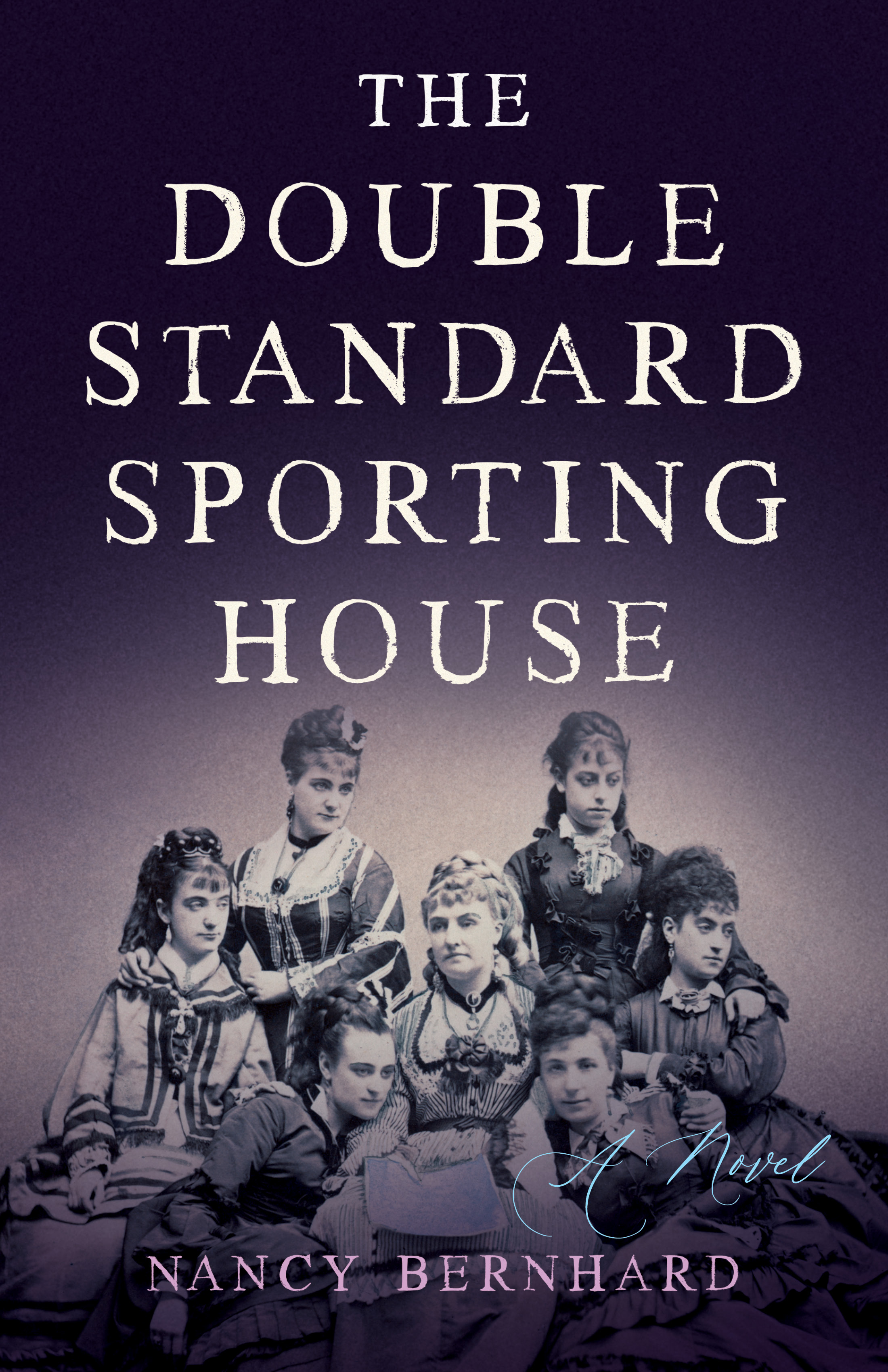
Book Description
As a former history teacher and historical fiction writer, I always like to find out how a historical fiction/nonfiction author gets from an idea to the actual book. With that, my first question is, what inspired you to write The Double Standard Sporting House?
My delightful, flamboyant grandmother once told me that her Aunt Beadie was a madam. It was a total fabrication, but before I sorted that out, I wondered how a smart middle-class girl with a large, supportive family could end up in prostitution. The answers are: rape and seduction.
I began to imagine a smart girl, skilled in medicine, finding herself in the demimonde, and making the best of the options left to her. She builds an elite brothel to finance her free clinic. When it’s threatened by predatory men, she has a strong community to help her fight back.
How did you go about researching your subject?
About six months into the 2020 lockdown facing a Massachusetts winter at home, I dug into research. I spent about a year reading on the history of prostitution, the Tammany Hall political syndicate, and 19th century medicine.
Your main character is Nell “Doc” Hastings. How and why did she become your protagonist?
Doc is excluded from the practice of medicine because she’s a woman, and then punished for having greater skill than mediocre men. Exclusion followed by insult is a fair summary of being a woman in the 19th century, and sometimes now. Doc embodies traditional feminine strengths in caregiving, compassion, and community.
What in your background helps you in writing a historical fiction book?
I have a doctorate in American history, and have been reading and researching for decades.
A brothel would obviously bring about certain health concerns for women, especially during the 1800s. How did you come to link Nell’s brothel to her funding a free clinic for women? Also, what was the health care system like for women in the lower-income parts of society?
Cast out of ‘respectable’ society as damaged goods, Doc finds surprising freedom and autonomy in the demimonde. Prostitution was far more widespread in the 19th century than in the 21st. In 1868 New York when women had very few ways to earn money, 30% did sex work at some point in their lives, compared to 1-2% now. The only industry controlled by women, prostitution was also just about the only way for single women to accrue real wealth. Reduced to their sexual and reproductive functions, these women made the best of it. Owning the house allows Doc to run her clinic as she likes, serving the most vulnerable women without men telling her what to do. Ironically, she would have provided far better healthcare to prostitutes than respectable women received from fancy doctors.
Medicine in the 19th century was just beginning to professionalize. There were plenty of quacks with medical degrees, and plenty of skilled healers who’d never been to school. Women’s particular needs were little studied or prioritized, of course. Poor women would have had difficulty accessing care, and most likely would have seen midwives or traditional healers, especially in the country. Charity hospitals and free clinics served poor women in the cities, but often refused care to women they deemed morally undeserving.
How does society today resemble the time period and events in The Double Standard Sporting House?
Gangs of heedlessly corrupt, powerful men still prey on and abuse girls and women all the time, and cover it up, as we see in the news every day. Conservatives are torching women’s reproductive freedom, and endangering our health and our lives. They shame us for carrying the burden of childbearing, and punish us for demanding full agency and autonomy. Women have more rights now than they did 150 years ago, but fewer rights than we did a few years ago.
1 in 4 women in the US has been raped, and 50% have suffered active harassment. Misogyny is different but arguably as strong as it was in 1868.
It seems to me that historically, the achievement of power through corruption, or maybe even through honest methods, comes at the expense of women, at least historically. What are your thoughts?
Indeed. We live in a patriarchal society set up for the benefit of half the population, and our culture represents only half the experience of humanity, yet male dominance is so pervasive we often can’t see it. The hierarchical, competitive, acquisitive, individualistic drives associated with masculinity are anti-democratic, and are killing our planet. It leads men to treat women as less-than-human vessels for reproduction, and to demean and de-value everything associated with femininity, like empathy and compassion. Feminism does not seek to replace patriarchy with female domination, it seeks to promote democracy, equality, and an orientation to the common good.
Finally, why should people read The Double Standard Sporting House?
It’s a good story, one that may help readers to see prostitution, and women’s historical exclusion from most opportunities, in a new light.
Pre-order on Amazon: https://www.amazon.com/Double-Standard-Sporting-House-Novel/

Nancy Bernhard is a journalism historian and yoga teacher, fascinated by how survivors of sexual and political violence heal through storytelling and movement. Having earned a BA in religion at Dartmouth, a PhD in American History at the University of Pennsylvania, and taught at Harvard, Bernhard turned her indignation over the sexual double standard into an absorbing tale rooted in the 19th century history of Tammany Hall. She was born in Brooklyn, and lives with
her family in Somerville, Massachusetts. https://www.nancybernhard.com/
 Lit World Interviews